rovik. and friends discuss: climate change scepticism
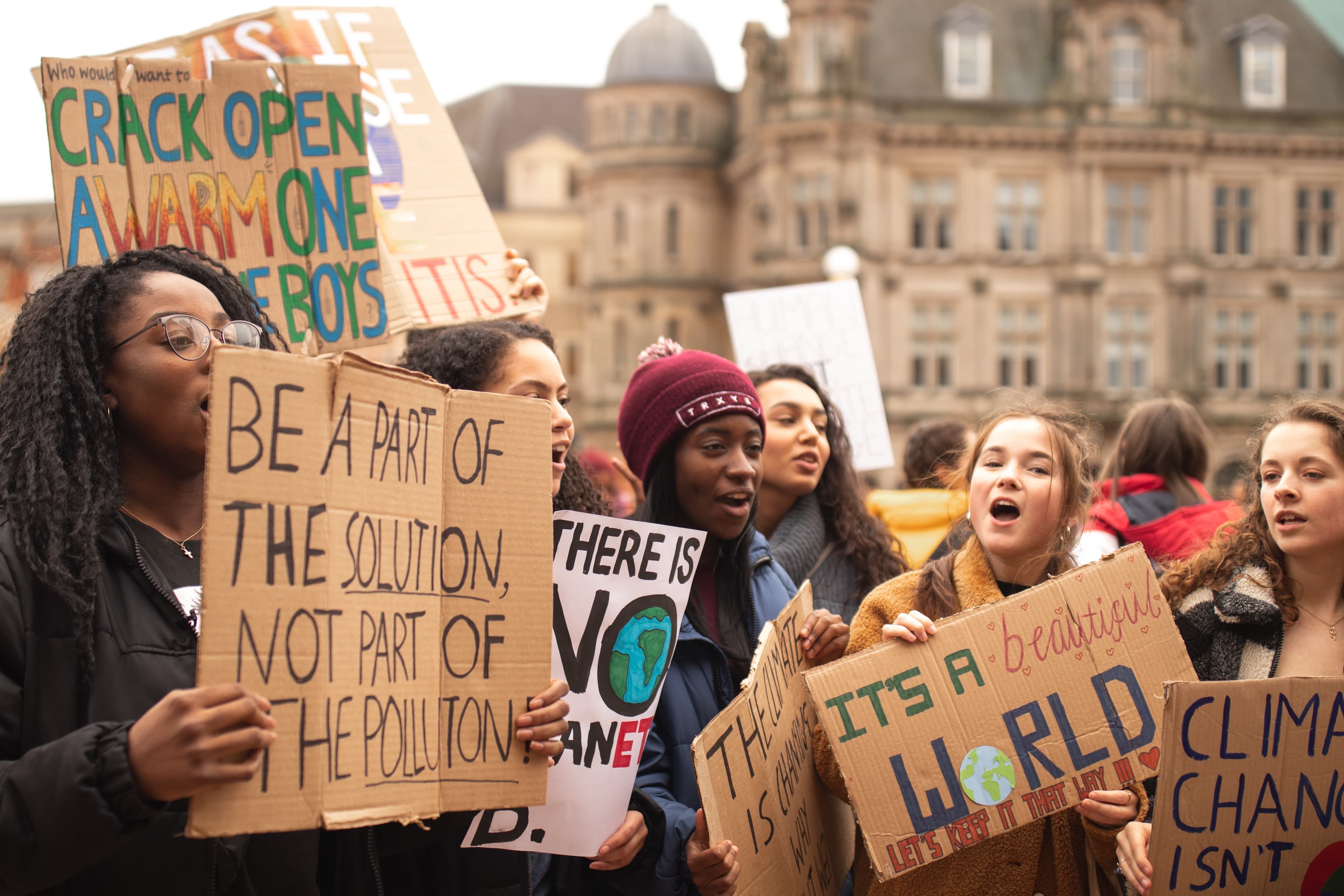
Given the commitment to explore all well-argued sides of the debate, the book club decided to commit a session to understand some of the more credible theses on why sustainability advocates may also be unnecessarily alarmist. While I was not personally too convinced, I found the perspectives worth exploring and tackling.
As always, here are the resources we looked at:
- Now the Pentagon tells Bush: climate change will destroy us – The Guardian
- Why Apocalyptic Claims About Climate Change Are Wrong – Forbes
- The Myth of Green Growth – The Financial Times
- A New Perspective on Climate Change – Matt Ridley
- I Am an Environmentally-Conscious Climate Change Skeptic. – Maya Melamed
- Don’t Panic! How to talk about climate change – The Spectator
- A closer examination of the fantastical numbers in Bjorn Lomborg’s new book (False Alarm) – LSE Commentary
Beware the Doomsayers
One of the key arguments made by climate change skeptics is that most of the alarm bells being rung are without proper cause. The world has actually been improving – there are fewer wars, mortality rates are on average down (pandemics may buck the trend), and perhaps most importantly, our environmental indicators are improving, with the exception of carbon levels. It reminded me of a book I read by Steven Pinker which highlighted that we need to affirm the principles that have brought humanity forward – what he called “our better angels”.
The Guardian article linked above also demonstrated how climate alarmists have been around for a much longer time, and predicted that Britain will plunge into a “Siberian climate” in 2020 – a reality that has not come true. These are reasonable positions to take, especially when you look at the data. Carbon levels and their effects on global warming is perhaps the one area where there is less debate on the existential threat to humanity, but even here, climate activists recommend different approaches.
Development Now, Sustainability Later
“Green Growth” sounds compelling – a new wave of economic growth, underpinned by innovations in technology and a reliance on sustainable sources of energy. The reality is that green growth without a green supply chain i.e. fossil-fuel non-reliant production chains, ethical cross-border waste management etc, actually incurs a category of externalities that may not be accounted for in “green” accounting.
Detractors instead argue that the best way to encourage green growth is to let developing economies go through dirty growth, accumulate wealth and thereby have the capital and liberty to pursue more sustainable systems. The sudden demand from wealthy economies for industrialising countries to match up in carbon emission reductions can come across as privileged and myopic. Instead, it may be more fruitful to provide support for such countries to accelerate its development and enter into the same economic models as wealthier countries.
I am not a sustainability expert, but I am trying to educate myself on the topic. There are some areas where I am still not convinced by the detractors – for example, why is not possible to enable developing economies to actually leapfrog dirty growth and build new economic models that are sustainable from the onset? Or, why not still recognise the value of sustainable mindsets to our human ecosystem, even if we bear some comfort costs? It goes to show that the theme of sustainability is not as clear cut as we had first thought, and there is a lot more to learn this quarter.