Berlin DayTrips – Sights Beyond the Capital (Part 2)
If you’ve read my Part 1 post, then you know that I love taking day trips on my weekends to explore my surroundings and learn more about the history and culture of a location. In Berlin, there was much to see – my Part 1 post covered my visits to Rostock, Teufelsberg and Potsdam. Today, we’ll look at Dresden and Spreewald – two of the most beautiful spots I’ve been to.
Dresden
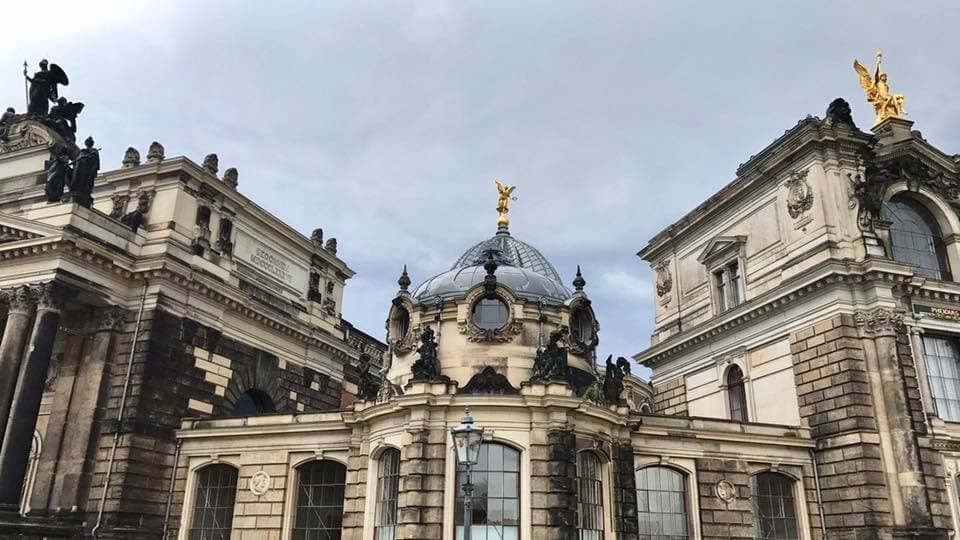
Dresden is called the Jewel Box of Germany and is historically one of the many interesting spots in the country. It was the seat of the Kings of Saxony, the area in which it lies, as well as the site of one of the heaviest bombings in WW2 by the allied forces. Much of the walkthrough of Dresden can be completed in 2 hours because the city centre is so compact but you’ll want to give it a much longer run simply because of how beautiful and intricate everything is.

A good starting point is Bruhl’s Terrace, nicknamed ‘Europe’s Balcony’. This is one of the best spots over the River Elbe from which you can just walk around or grab a coffee against the backdrop of some of the most stunning buildings in the city. This is an ideal photo spot naturally, but as is the rule with most cities, I recommend keeping your eyes focused upwards as you scan the buildings for all their embellishments. If you want, you can also come here during sunset, when the buildings get lit up by beautiful orange lights.

From Bruhl’s Terrace, continue making your way into the city and head into Neumarkt, where the Frauenkirche stands. This was the worst hit spot during the World War 2 bombings, but you can’t tell immediately. The church by itself is beautiful, towering over the rest of the city and boasting true Baroque features. This church was left as a memorial for 50 years before finally being rebuilt by money put together by business leaders and the state to become a functioning church from 2005. Yes, the church has been alive for only that long again and so I count myself lucky to have been able to see it rise again from the ashes. This actually summarises the story of Dresden really well – a city that was knocked down hard but was able to let its beauty shine through and build itself up again.

East of the church, on Auguststrase, is the Fürstenzug or Procession of Princes. This is made out of Meissen porcelain tiles to be weatherproof and is one of the largest artworks of its form. It was made to celebrate the 800th anniversary of the Wettin Dynasty and shows multiple princes and kings in a continuous sequence. The names of each ruler are also right below their appearance.


Keep walking into the city and you’ll find the Zwinger, a massive Baroque-style palace that is perhaps one of the most beautiful complexes I’ve seen. It is now a museum complex with a bunch of really cool exhibits that I, unfortunately, didn’t have the time to visit. From the northeast side, you can find a flight of stairs that take you to the second floor of the palace where you can get a better view of the floorplan.

Head out to the Theaterplatz from the north entrance, where you’ll find the Dresden Semperoper (where some of the best shows in Europe are held). This is also one of the worst-hit spots in World War 2 and another show of brilliance in the manner it was rebuilt. Here you’ll also find many performances, some classical and some more contemporary, but all the same a great delight.


Right next to the Theaterplatz, in the Dresden Castle, is perhaps my favourite site in Dresden – the Grünes Gewölbe or the Green Vault. This was where one of the Kings stored all his precious treasures and is one of the largest collections of treasures in the world. They have multiple exhibits but you need to purchase a ticket for either the old or new vault with a time slot to be allowed in. I chose the old vault and I could immediately understand why this was so highly rated. The king had made multiple rooms and themed each of them, so you can walk from an amber themed room to ivory themed room to the famed precious jewels room. It blows your mind on how so much is preserved and how skillfully all of these were made – although it does beget the question of how the king acquired them. Definitely worth the visit.


From the Central Station, one of the detours I recommend taking is to the Saxony Switzerland or Sächsische Schweiz, a range of mountains along the River Elbe, where you’ll find stunning sandstone rock formations. Put the Bastei Bridge as your endpoint and you’ll find the spot where you’ll have the best view of the area. I couldn’t make it up there because I wasn’t wearing the proper footwear and made a spontaneous decision to get out but wear walking shoes and make your way here. It’s only an hour away from the Central Station and you can technically squeeze it into your day trip. Also, the River Elbe is much more accessible and picturesque from here, so if you’re here for multiple days, do go on a river cruise as well.

Food-wise, you’re going to find the best German food in the pubs and breweries. I took a 10-minute bus ride out of the main city to Ballhaus Watzke, which is both a brewery and restaurant. The Saxon special of pork neck meat and fried dumplings is sinfully delicious and the beer gravy was memorable. Washing it down with the in-house brewed beer and sitting along the River Elbe in their beer garden just topped the experience.

Another thing to try is the Eicherschecke or Egg Cake, which is made up of a layer of egg yolk stirred with butter and sugar, a layer of custard and a layer of dough. It actually is pretty light and goes well with the coffee. I had mine at Cafe Schinkelwache and can approve of its quality cake. It also is right on Theaterplatz so you can sit outdoors and enjoy the sights while you relax.
All in all, Dresden probably was my favourite day trip from Berlin. It warrants a whole weekend by itself in my opinion but you can definitely squeeze everything in if you plan it well.
Spreewald
Spreewald is apparently Brandenburg state’s Number 1 Tourist Attraction and I had heard so much about it that I needed to check it out. It’s a 17 Euro return fare to Lübbenau, one of the cities in the region, from where you can achieve most of your Spreewald wishlist items. Top tip: go on a weekday in the summer to avoid overwhelming crowds. The Spreewald is a special region because of how unique everything here is. There is even a unique Sorb culture here, which comes from West Slavic culture so you may hear people speak a language other than German sometimes.

One of the first things to do is to decide how you want to go on the river. I chose to take a tour boat which cost me only 12 Euros for 3 Hours, together with a friendly guide. I got someone who spoke German but I’m sure you can pay a bit more for an English speaking guide if you really wanted to. The tour takes you through the main channels of the Spreewald and shows you how people live or used to live here. While most people live off of tourism in the region, there is also some continuing agricultural practices.

One of my favourite parts about this trip was just seeing how people have built a life on the Spreewald. There are cabins for rent if you want to take a retreat, but there are mostly actual homes and residences here as well. In fact, there are fire stations, police stations and post offices, built for mobility on the water. I was lucky to catch a mail lady on her boat delivering mail.

Another way to get around is to canoe. I honestly wish I chose this option but not only did I not want to get lost, but I also wanted to hear some of the histories of the area from a guide. It looked like massive fun though.

In the Spreewald, pay attention to the buildings because you’ll notice a bunch of snakes with crowns. This is the ‘spirit animal’ of the region and the protector of homes and families.

Now I still am not used to eating pickles straight, but if you are, then you’ll love the Spreewald. They specialize in pickles and cucumbers, and I managed to try a small portion. They’re actually really flavorful and I’d recommend checking out their markets to see what they have to offer.

Finally, apparently, a regional speciality here is the Spreewald pancake. A slightly thick pancake, it’s served with fresh fruits and cream, making for a great end to the day. It’s not extremely different from regular European pancakes, but it’s good so I’ll take that.
I get why the Spreewald is known as one of the best locations in the Brandenburg state to see the region. It’s a great escape from Berlin, it’s full of culture and you’ll have tons of interesting stuff to see.
That wraps up my Berlin Daytrips series! Hope these inspire you to get out of the city once in a while and explore something new. They provide both a contrast to the already unique landscape of Berlin and a complement to the overall image of Germany. I already miss my time there.