rovik. screens: tenet
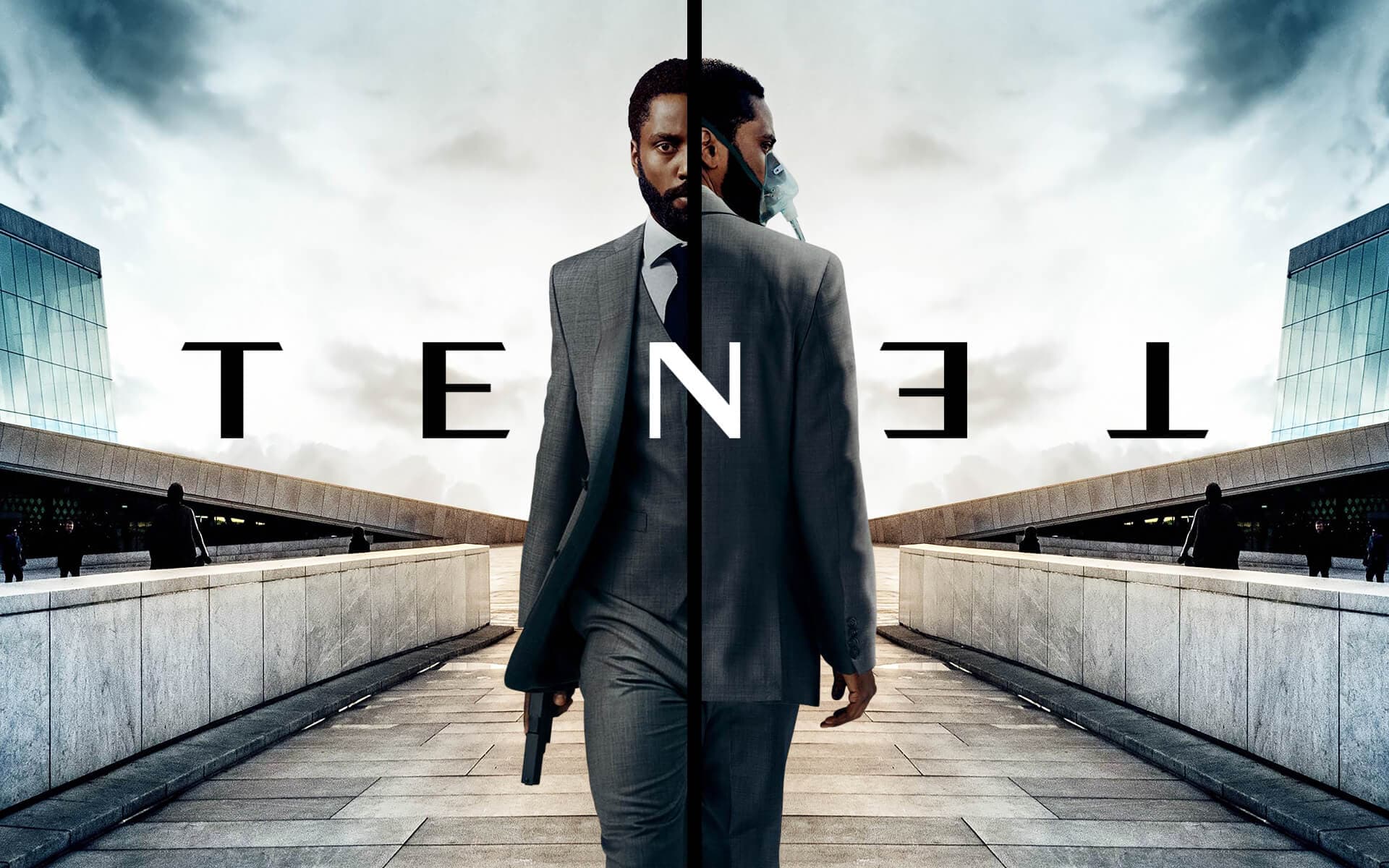
I’ll declare my bias upfront – I’m a Nolan fan through and true. I watched Memento as one of my first self-chosen films (I was going through the IMDB Top 100) and have been hooked ever since. So when Tenet came out, I didn’t waste time in booking my ticket. Nolan is a master of concept – he is able to take complex and profound ideas and translate them to cinematic wonders. Tenet admittedly was one of the more difficult concepts to translate so while I left the cinema entertained, I also endured a week of confusion.
From here on out, there are Spoilers.
Tenet is not a movie about time travel. Or rather, time travel isn’t the point. It’s about entropy and the ability for things and people to reverse their actions. In tenet, the future has already happened and we live in a closed loop. The underlying concept is described in the “Grandfather Paradox”, repeated throughout the movie – if you were to go back in time and kill your grandfather before he procreated, would it even be possible because then you’d never have existed?
As “the Protagonist” is introduced to the audience, we learn he is recruited by a mysterious organisation to stop the end of the world. This ‘world-ending initiative’ is later discovered to be an attempt by people from the Future to undo the past by unlocking “the Algorithm” in a last-ditch attempt to undo the calamity caused by the climate crisis. I’m not even surprised at the possibility for this given that the future is damned if they do and damned if they don’t. They might as well wipe out the past if it gives them a chance, however small, to survive.
Most of the movie is like a procedural old-timey spy thriller, with The Protagonist recruiting partners, using women to get access to men (with perhaps one detraction in India) and engaging in battle sequences. The real innovation comes in the introduction of the “temporal pincer”, an infiltration and combat technique that I had to spend weeks on Reddit trying to understand. This combines both people intentionally moving forward and reverse in time, passing information to each other so that they have complete information. This has been the cause of some mental agony for not just me but many other viewers.
Once in a while, you want a movie that can thrill you both emotionally and intellectually. While Tenet lacks more expressive characters and arguably even character development, I’d argue the point of watching Tenet is to entertain your brain with the movie’s premise and its plot’s inevitability. Everything has already happened. Philosophically, that’s such a profound idea that I wonder if most of us are even prepared to grapple with it. How does free will reconcile with fate? Tenet tries to tackle this by pointing that we never feel forced in making our choices, but that doesn’t stop it from being a choice that was nonetheless taken. This helps understand many other ideas, especially in the religious realm where it could be argued that human free will and God’s divine will can also be reconciled in a similar way.
As with many other Nolan movies, I’d encourage viewers to spend some time letting the concepts soak for a bit, participate in online forums or watch explainer videos and then finally screen the movie again. The mental exercise is worth it and I’ve enjoyed the process.
Here’s my rating of the movie below:
Cinematography: 5/5
Screenwriting: 4/5
Musical Score: 3/5
Acting/ Performance: 4/5
Overall: 4/5