rovik. reads: on immunity
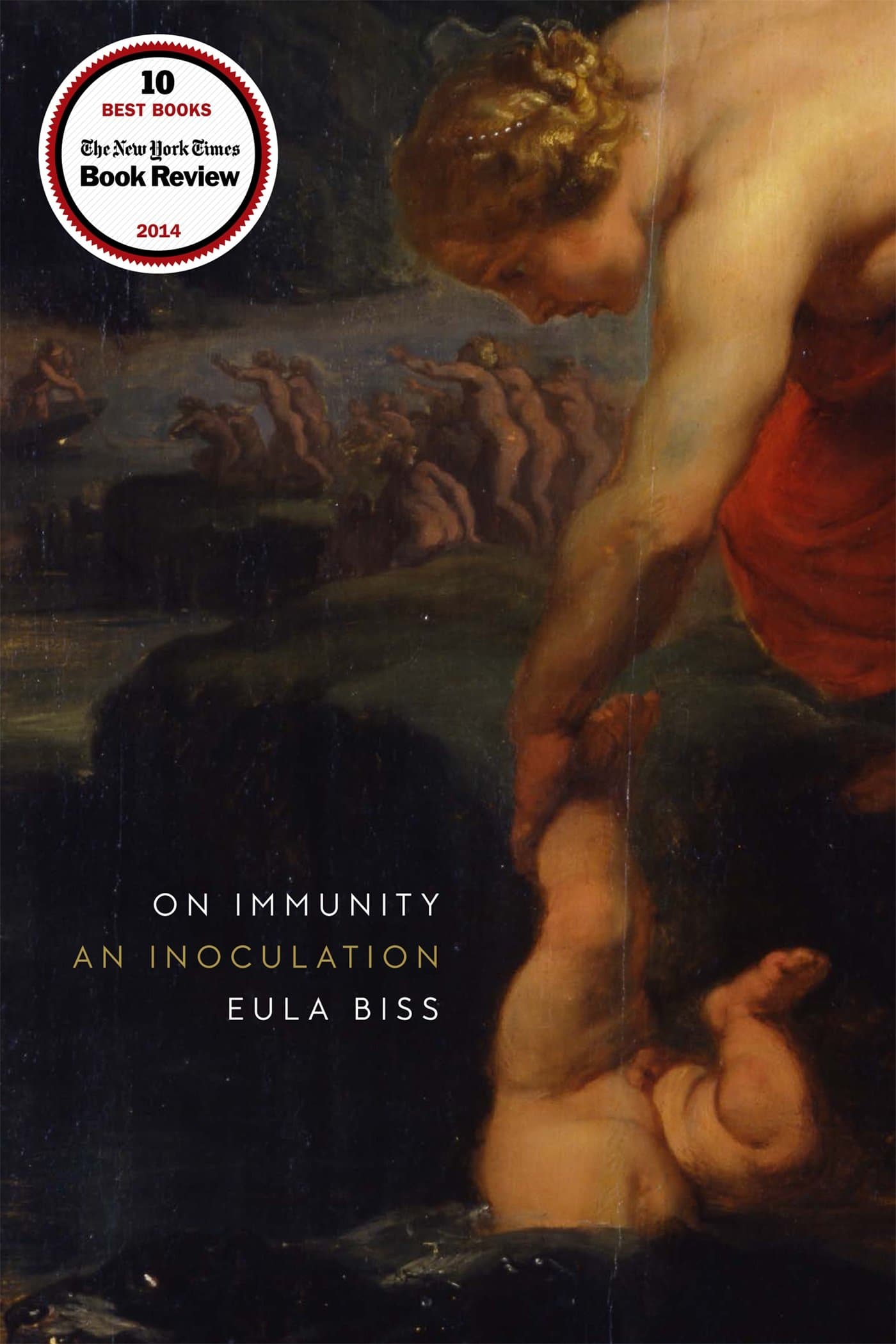
If you’ve been curious about why I’ve dedicated my blog thus far to posts on books I’ve read and discussions I’ve had, here’s a timely refresher. I’ve been disheartened by the state of debates that occur both online and offline, and I have deduced that the lack of satisfactory conversation arises both from a shallow depth of knowledge as well as a scarcity in the emotional understanding of another person. On Immunity is a masterclass in how to hold a conversation on a highly controversial topic – vaccines – without vilifying and demonizing the opponents of the proposed position. For those seeking to improve their ability to have conversations on difficult issues, this is a good book to explore.
Bill Gates brought this book to my attention with his latest reviews on it. I was very curious what a book on vaccines could teach me beyond what I knew. As a result of a strong patriarchal system in Singapore, I knew that vaccines were both necessary and beneficial for humans because I had no choice in the matter. The public education system demands vaccinations for all students. I assumed if so much force was necessary for the implementation of a vaccination regime, it must be absolutely crucial. It was only in my early 20s that I found out about people who believe vaccinations cause autism or that vaccinations are a government tool of subjugation. This seemed similar to climate change deniers in my head, people who when presented with multiple corroborated pieces of scientific fact would only hold on to the one piece of evidence that suggests ambiguity.
Eula Biss, the author of the book, takes on an exploratory note with the topic. In a flow of consciousness, the book is broken into chapters covering themes or issues surrounding vaccinations. She interweaves scientific discoveries with personal narratives, building an understanding of vaccinations that is both intimate and grounded in fact. Biss wants to understand why people would not accept vaccinations and she brings on that similar journey.
One of the key takeaways from this book for me is how immunization is society’s way of protecting the few through the majority. Biss points out that many a time, people who cannot take vaccinations for medical reasons (e.g. complications or allergies) as well as people from poorer communities who cannot afford some vaccinations require the majority of society to be vaccinated to prevent the spread and proliferation of any virus or disease.
“If we imagine the action of a vaccine not just in terms of how it affects a single body, but also in terms of how it affects the collective body of a community, it is fair to think of vaccination as a kind of banking of immunity. Contributions to this bank are donations to those who cannot or will not be protected by their own immunity. This is the principle of herd immunity, and it is through herd immunity that mass vaccination becomes far more effective than individual vaccination.”
Vaccination is connected to social class and privilege in a way that I had never seen before. Biss explores the use of vaccines and their rejection in developing countries. She also explores the delivery of partial vaccine schedules and staggered vaccine deliveries for people from the wealthier class. There is a level of analysis in understanding how social politics and vaccines interact with each other that is instrumental in understanding how conversations around vaccines tend to be rooted more in power than in science.
Another big insight about the book for me is the idea that vaccines have suffered a horrible brand image through time. People attribute vaccines as unnatural or artificial, preferring the building of human tolerance (understandably dangerous) or the use of alternative medicine (in itself questionable). Biss laments the language surrounding vaccines, citing terms such as “shot”, “jab”, “attacking viruses” and other phrases that make a person think of war and battle. It implicates the human body as a warfield where vaccinations are part of the ammunition. This perspective helped me understand why people have visceral repulsions towards vaccinations, shuddering in fear as they think about what they are potentially signed up for.
Fear of toxicity strikes me as an old anxiety with a new name
Biss points out that the notion of keeping one’s body pure and clean is an age-old compulsion with purity and sanctity, values that make no sense when you realize that an unimmunized body is more like to contract an illness and worse, become the agent of further delivery of the virus to others.
There are many more interesting paths that Biss explores that would be interesting to write about, but I encourage anyone to take the time to read the book and explore her thought process. I did find myself groaning at times when she would make a contrived point or refer back to Dracula (she does this multiple times), but I get that she is speaking to an audience that may be overly obsessed with factual inconsistencies and not wider thematic comparisons. It is a huge responsibility as a parent to think about the implications and preparations for vaccinations as it is one of the first actions to take for a child that represents your parenting style. I recognize that as immensely scary, the debates and protests that happen around vaccinations do not make it easier for parents.
All I can hope for is that more read this book and recognize the nuances behind some of the positions already taken.
Here are my reviews:
Readability: 3/5
Intellectual Stimulation: 4/5
Perspective Shifting Capability: 5/5
Would I Recommend? – Strong yes, but especially for those who are curious about the field