rovik. reads: mindsight
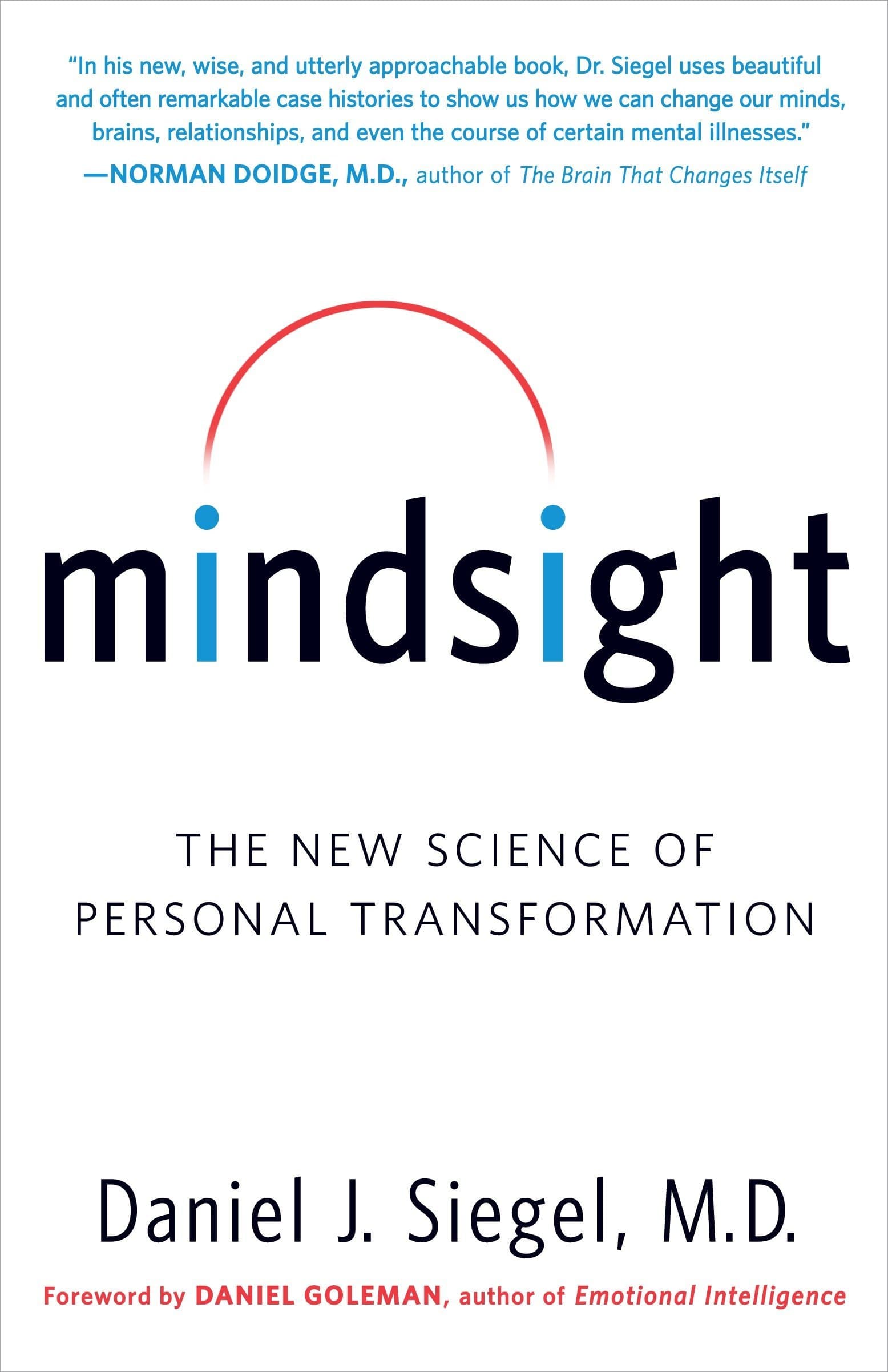
I’ve always been curious about the mind as an object of study. Perhaps, besides computer science, I should have taken classes in neuroscience. In our last conversation on empathy before a theme refresh, my book club decided to explore a scientific take on empathy. What actually happens when we try to understand deeply the lives of others? Why are some so devoid of that ability? Siegel provides a remarkably clear and elaborate description of how the brain works and how we engage ourselves and our neighbors. Not surprisingly, the key to knowing others is to know one’s self better.
“The human mind is a relational and embodied process that regulates the flow of energy and information.”
The book is divided into two parts. In the first part of the book, Siegel introduces us to core concepts and a scientific map of the brain. He describes a very useful hand-model analog to the brain, that even I have continued to use to engage others, to show that as human beings we have multiple capabilities that evolution has gifted us with. Our prefrontal cortex, especially, gives us the ability to be self-aware and conscious of our ability to think. Growing up enables a series of synapse strengthening processes that begin to hard-code behaviors, implicit memories and proclivities that we have to deal with later on in life. Siegel believes in the power of mindsight to be conscious of how our brain is reacting to stimuli and neuroplasticity in re-teaching our brains how to engage the world.
“One of the key practical lessons of modern neuroscience is that the power to direct our attention has within it the power to shape our brain’s firing patterns, as well as the power to shape the architecture of the brain itself.”
Siegel is a pioneer in the field of mindfulness and empathy only because he rebelled against a practice of medicine that refused to integrate emotional wellbeing and feelings into any method of care. Using strong metaphors such as “we-maps” to demonstrate how neuron firings of one kind in one person can instigate neuron firings of another kind in another to create interpersonal relations, Siegel demonstrates how a lot of the fluffiness that we thought to be emotional intelligence can actually be guided. I fell in love with his continued use of tools such as the “river of integration” and the “window of tolerance” to help provide order in the chaotic world of emotions.
“Consider the difference between saying “I am sad” and “I feel sad.” Similar as those two statements may seem, there is actually a profound difference between them. “I am sad” is a kind of self-definition, and a very limiting one. “I feel sad” suggests the ability to recognize and acknowledge a feeling, without being consumed by it. The focusing skills that are part of mindsight make it possible to see what is inside, to accept it, and in the accepting to let it go, and, finally, to transform it.”
The second part of the book traces Siegel’s use of mindsight as he engages actual patients with actual life issues. From a woman who taught herself to not feel love to a couple that could not stand each other, Siegel demonstrates how a combination of mindfulness, trained remapping of the brain and an effort to understand the minds of others can do wonders in the lives of many. I saw myself personally attempting to use some of Siegel’s tricks in my own mental conditioning, to strengthen my resolve and address unhealthy mental habits I had developed.
I cannot recommend more the value of reading a book like this. Mindsight is a long read but it’s meant to be modular with each chapter taking on a different case. I found value in all of them and would recommend taking the time to get through the book.
Here are my ratings:
Readability: 5/5
Intellectual Stimulation: 5/5
Perspective Shifting Capability: 5/5
Would I Recommend? – Definitely.