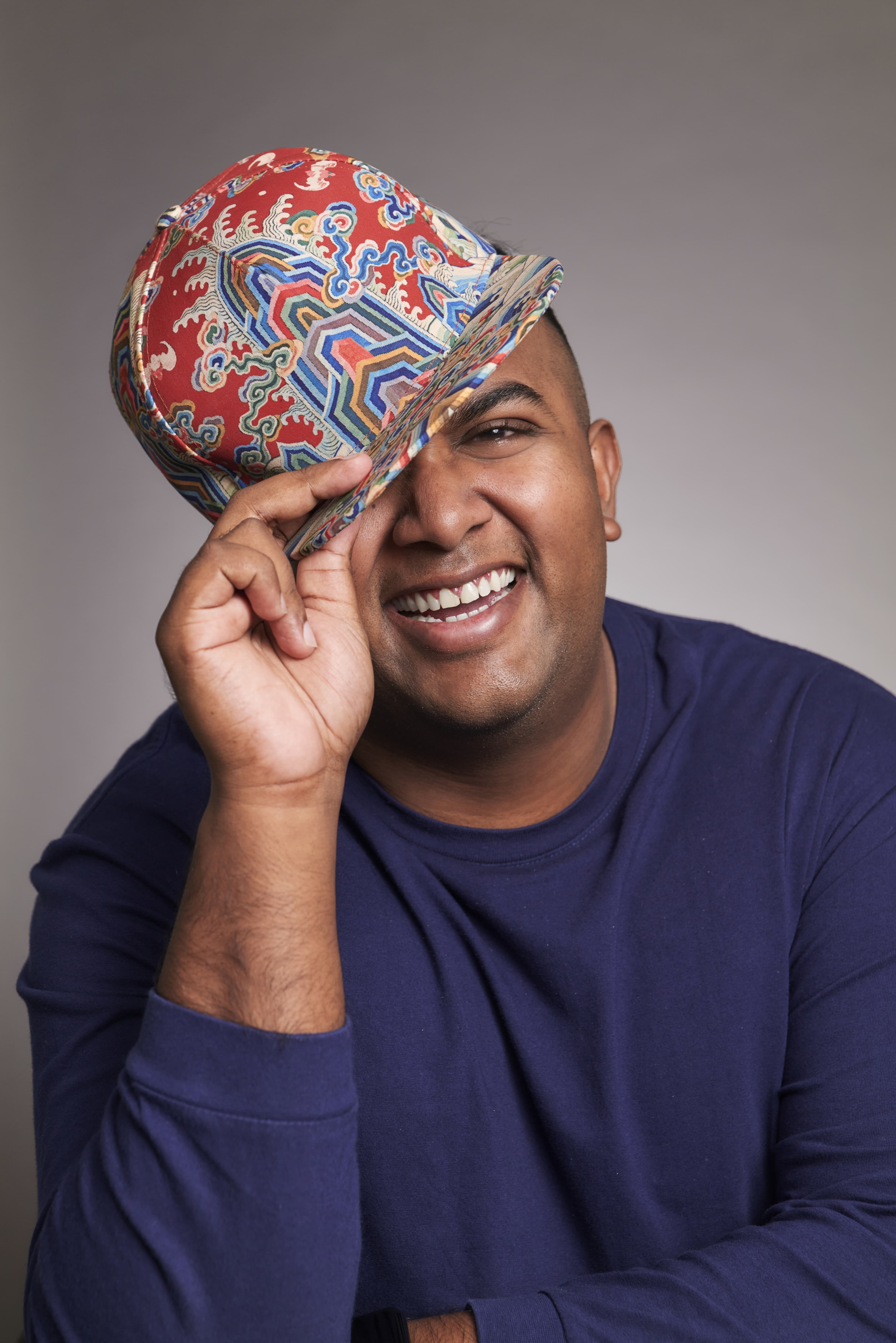
rovik. reads: born a crime
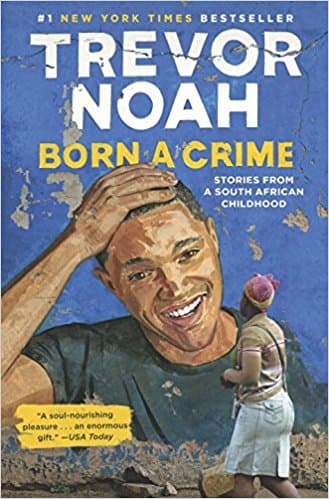
I don’t know too much about South Africa, but when you look back at history, the country has had one of the most important lessons to teach us about humanity and our ability to reconcile evil. Trevor Noah’s Born a Crime, the next book in our book club series, provides an intimate and personal picture of both Noah himself as well as the South African context in which he grew up in. We may know him as the funny yet incisive host of The Daily Show, but in this book, we get to see a tragically hopeful backstory of how he became the man who he is today.
There is some context necessary to understand the book. Each chapter sits as a standalone story into Noah’s life, and while there are connecting themes of religion, family and race throughout, the book does require some appreciation of Noah’s inclination to be an anecdotal storyteller rather than someone who is tracing a grand journey. Perhaps that also provides insight into Noah’s own view of his life – a series of disparate yet connected events that have collectively provided the backbone for his narrative. One of the members of our book club noted that Noah does tend to make grandiose claims in relation to his life events, connecting seemingly unextraordinary events (by the radical standard of living in the extraordinary world of South Africa) to large cosmic and political themes. I agree to an extent, but I also sympathize with Noah. Noah is a recently brandished TV celebrity, building on years of hard work as a comedian, and this book is probably an attempt to provide an emotional connection for his fans. He needs to balance his TV persona with his own personal history, and by driving some of these political notes, Noah satisfies both objectives. Also, as someone who personally experiences a heightened state of living, I can see how large cosmic themes help provide sense and direction to a complex and difficult way of living. Noah and I both fall back on these influences to cede control away from ourselves, in an attempt to maintain sanity.
There is one major storyline that I found especially interesting from Born a Crime, on the topic of race intersectionality. Noah is the son of a black woman and a white man and even that is a gross simplification of the nature of his parenthood. In South Africa, where your race determines your class, Noah has to bounce around between his blackness and whiteness, and in this specific context, also his coloredness. He has to be a chameleon, relying on his whiteness when it aided him and depending on his blackness to find community. He was never completely a part of either group but he also gained from all of them. Conversely, he suffered from all of them too. The first time Noah explicitly made a decision with regards to his race was when he asked to be placed out of the top class in his school, a class reserved only for non-blacks, and to be placed in the class where his friends were. He essentially chose to be black, despite knowing that he was losing the privilege of being given better resources.
Now my own relation to race isn’t that similar, I’m Indian by a 100%. My parents are Indian, and in fact, I was born in India. I was brought to Singapore, a majority Chinese country when I was 4, and have supposedly lived in a ‘multi-racial’ environment my whole life. In reality, I lived in a majorly Chinese-influenced environment my whole life, with splatters of Indian and Malay influences and a growing generic Western influence. As an immigrant who needs to survive in new environments, I chose to co-opt Chinese culture to fit in better with my peers. This also meant abandoning parts of my Indian heritage, choosing to celebrate Chineseness instead. It worked – I was able to adapt to overtly Chinese-influenced institutions from the workplace to the club, and depended on my Indian-ness only when it was tokenized. Unlike Noah, I chose to shed more of my born identity in favor of a chameleon identity. Do I wish I had the courage of Noah to embrace my background more intimately? Yes. I’ve been trying over the past few years to rediscover what being Indian means to me, especially because I’ve had to continue adapting to new environments in Chicago and London, now interacting with Whiteness as a force of homogenization as well. I struggle to feel connected to any one culture, a fact often vilified by many strong cultural thought-leaders, but instead, I feel connected to a general yet adaptable heterogeneity of cultures.
Noah’s book is a fun read, filled with comedy and color (pun intended). It also has tragedy, reminding us that Noah’s laughter often masks deep pains and hurt in his life, as is the case with most comedic geniuses. You’ll learn about South Africa, racism, family and youth all in this short read. I listened to the audiobook and was done in a week, with 1-2 hours of listening to a day. Here are my ratings:
Readability: 5/5
Intellectual Stimulation: 3/5
Perspective Shifting Capability: 4/5
Would I Recommend? – Yes, especially if you’re into autobiographies.