rovik. reads: behold the dreamers
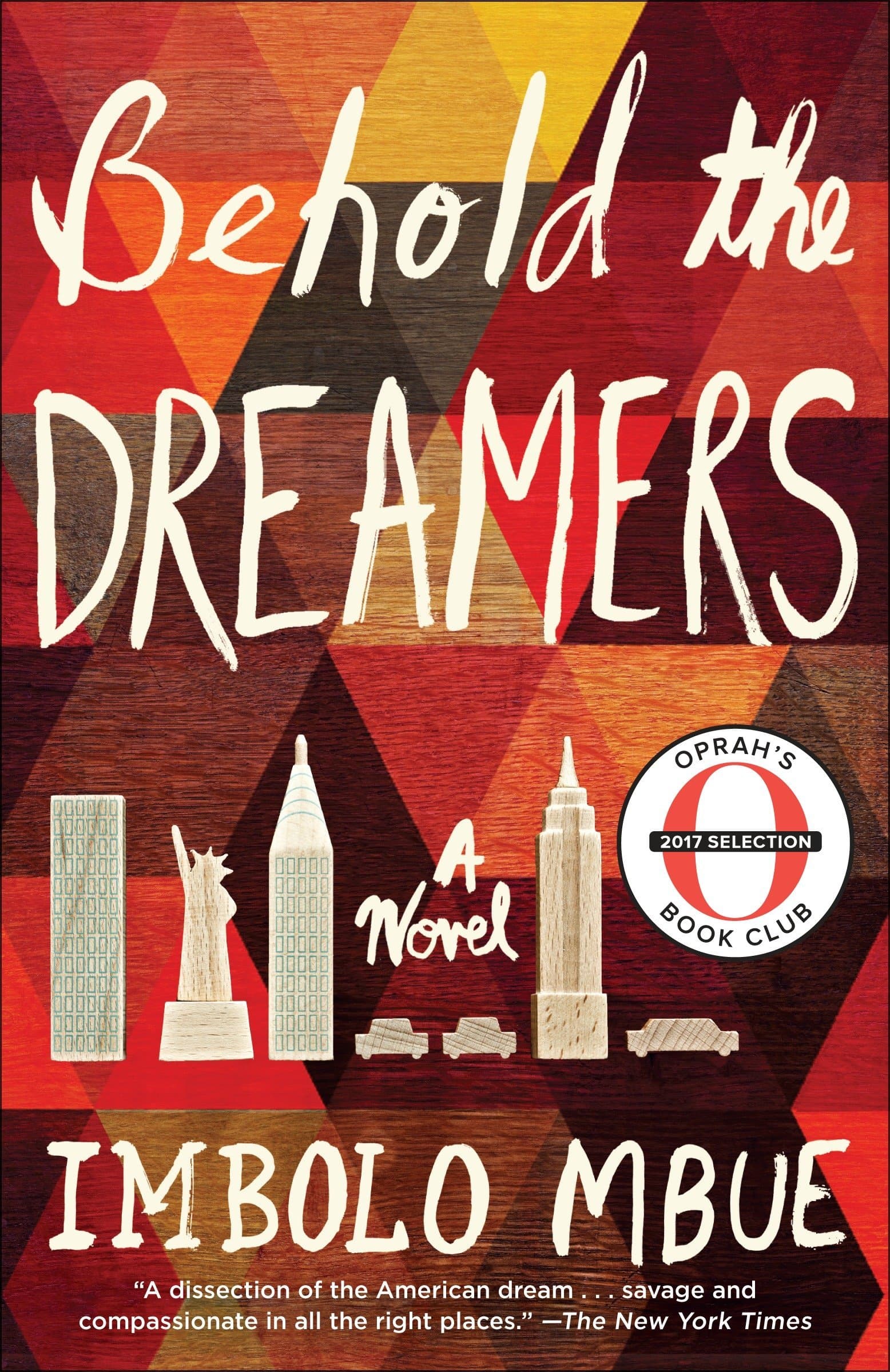
What does it mean to be illegal? How is one’s person-hood identified as of illegal nature? Is the world one sees different because they are illegal? I’ve been privileged to be able to read the stories of the marginalized and excluded from the comfort of my home yet something about Mbue’s book Behold the Dreamers really challenged me to get up and moving. While America-centric, Behold the Dreamers is a narrative story of a world where opportunities are concentrated in few cities and how those of us who choose to seek them from the outside will always be unfairly treated.
The story follows Jende and his family as they leave Cameroon and make their way to New York to seek opportunities. Jende had come first on a temporary visa, overextended his stay and was now fighting in court to remain based on a made-up asylum plea. Neni, Jende’s wife, came later to stay with Jende but also to study and eventually build a career in the medical profession. Their lives are intertwined with the Edwards, a white family where the patriarch Clark worked at Lehman Brothers before the 2008 crash. Jende is the Edward family’s chauffeur. The story takes through Jende and Neni’s battle to stay, living discreetly yet wanting to enjoy life. The 2008 financial crisis has an important role in this book in displaying the differences in effects encountered by different communities, especially since the Edwards family end up keeping a lot of their wealth while Jende loses his job. Behold the Dreamers is relentless in its exploration of the various aspects of living as an “undocumented” immigrant and how life as they know it can be very different.
There is no doubt that a book like this is meant to develop some sort of empathy for the undocumented community in the US. It is a complex and tricky issue, mainly because a lot of us like to believe that there is a “proper” way for things to be done. Yet, if human existence is short and opportunities are concentrated, can we blame those who would otherwise never get access to try to gain access by any means necessary? Why should those who are lacking, by pure virtue of luck in where they are born, be forced to stick to their lane?
They would lose the opportunity to grow up in a magnificent land of uninhibited dreamers
If we can accept the premise that the “dreamers” are not wrong in seeking their opportunities, then we can begin to appreciate the series of injustices weighed against them. Mbue is powerful in conveying the painful injustices of living as a black family in New York while having to meet the expectations of white America.
Nothing shamed [Neni] more than black people embarrassing themselves in front of white people by behaving the way white people expect them to behave
The double lives of Jende and Neni, pleasing others on the outside while finding ways to deal with real problems of survival on the inside, are contrasted well with the Edwards family’s indulgence in vices of hedonism, lust and narcotics. Here, the family of “dreamers” must plan every step and be careful of every decision, because each can be costly if gone wrong.
Life in America had made her into someone who was always thinking and planning the next step
The transformation of the “dreamers” is stark over the duration of the book. Jende and Neni start out as a loving couple who want to stay in New York but end up being tired and shells of their former selves.
For the first time in a long love affair, she was afraid he would beat her. She was almost certain he would beat her. And if he had, she would have known that it was not her Jende who was beating her but a grotesque being created by the sufferings of an American immigrant life.
They learn to re-evaluate a lot of their moral and aspirational foundations. From a family that had strong values they must learn to make due with reality as it comes. Why stay in America if it brings no happiness? Why suffer purely because of the fear of shame?
Out beyond the ideas of wrongdoing and rightdoing, there is a field. I’ll meet you there
Jende and Neni are likely to be archetypes of a lot of undocumented immigrants in the US, their humanities slowly stripped away as the process of finding their place in the country wears them down. Their treatment by the country reflects a wider trend in the world where we like to deal with anyone outside of the system as a case to be dealt with, without the socially embedded issues that come with the human life. Even, here in Singapore, that mirrors some of the narratives I’ve read. Our desire to reduce people is hugely disappointing and in some regards, disgusting.
Mbue is empowering though, in her refusal to remove agency from Jende and Neni. The family decides to move back to Cameroon with their new wealth, small in the US but substantial back home, and eventually build a livelihood that is successful. Even if the system in the US would not let them be happy, they found their own way to do so. That, to me, signifies the need to respect and empower the agencies of all we encounter. Our dignity is important, and it is a very powerful thing.
Here are my ratings:
Readability: 4/5
Intellectual Stimulation: 3/5
Perspective Shifting Capability: 3/5
Would I Recommend? – Yes