rovik. and friends discuss: vulnerability
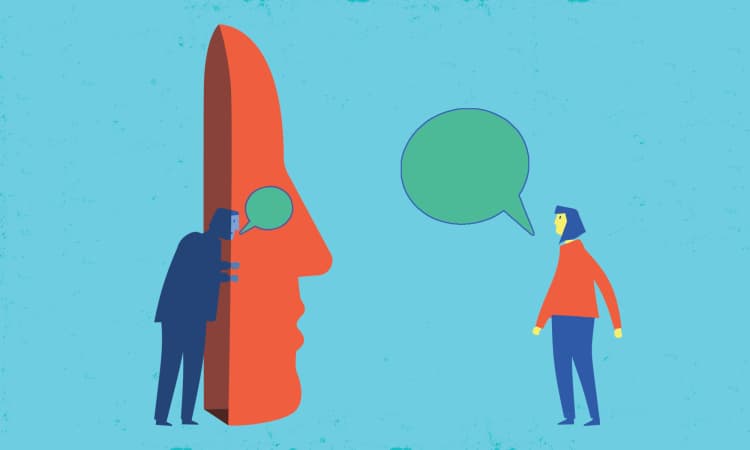
Today’s series of self-help talks advocate for vulnerability: the need to open yourself up to not just your family and friends, but also the strangers around you. To live as honestly and truthfully such that you could truly connect with others. It’s a philosophy I’ve found useful, even when it causes hurt in the short run, but should vulnerability actually be a universal default? We dived into this in our last chat.
Here are the resources we read for this conversation:
- Brene Brown: The power of vulnerability (TED, 20 min)
- How To Embrace Vulnerability As Your Greatest Strength
- Stop Trying to Be “Vulnerable.” Do This Instead.
- The gift and power of emotional courage (TED, 15 min)
The start point for this is important – why is vulnerability advocated for? We can look at the inverse – what happens if we guard ourselves? The reality is that none of us are completely vulnerable nor completely guarded. We allow ourselves to be vulnerable to some (e.g. our family) and guarded to others (e.g. our colleagues). But in so choosing, we demarcate who we want to connect with and who we simply want to transact with. A guarded posture allows us to walk away quickly from pain and hurt without the need to untangle emotions and trust. Yet, in most circumstances, vulnerability is still the better position.
Vulnerability reminds us that it is such to be human. Transaction-based relationships are meant to optimize for efficiency. Yet, in places that seem ideal for efficiency optimizing relationships like work, it may be vulnerability that actually enables long-lasting and stable environments. When we can forgive each other, accommodate special needs, show compassion, we build an environment that is safe and fertile for emotional investment. But for all these to emerge, people must be willing to share their passions and hurts so that others can lean in and engage.
Vulnerability is also useful for the individual themselves. I’m of the personal belief that pain is not meant to be individually borne. In fact, one of the best ways I’ve deal with disappointment and pain is to diffuse it out by sharing with others. The same goes with passion – it becomes more powerful when its amplified by the energy of others. We become better people when we are vulnerable to those who would help us.
So we come back to the self-help focus on vulnerability. Brene Brown is one of many influencers who has been teaching the value of vulnerability to mass audiences and corporations are trying to create new constructs to enable this. But vulnerability can’t be forced out in a single session. Vulnerability is not a room of people being told to share something that they’re concerned about just to create an environment for trust. It is about the small features that make people want to share such concerns out of their own volition. These small features include a culture of acceptance, diversity of views and an honest effort to build trust.
Vulnerability takes time and requires us to put in the work to connect with some, build empathy and invest into their lives. It is not easy, but it shouldn’t be. We are all deserving of respect and dignity and that is a powerful thing.