rovik. and friends discuss: there will be blood
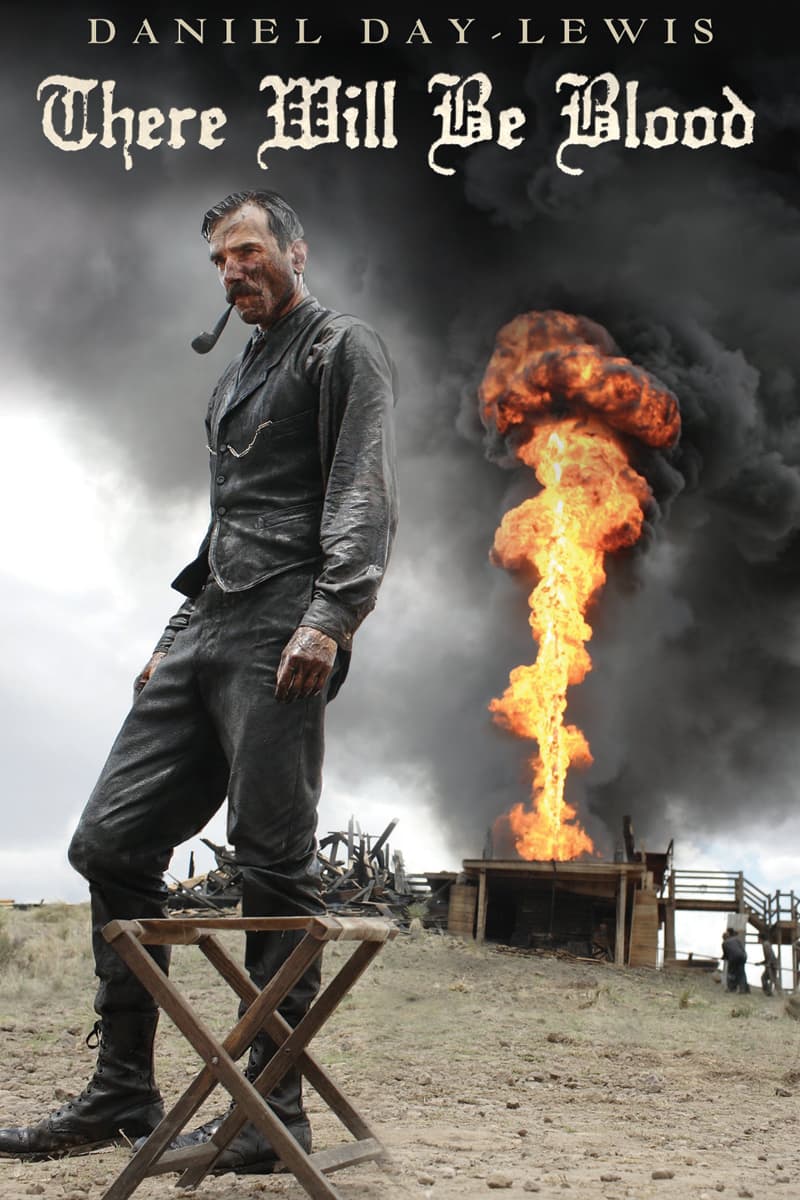
The book club was back in session and this quarter we chose to focus on the messy yet important theme of “Power”. There were a lot of reasons for this – there seemed to be contests for power everywhere we looked, whether it was in the civic moments in each of our countries or in the geopolitical tussles that were shaping economies. Understanding how power operated and why it was essential would serve us well as citizens. In a slightly unorthodox format, rather than going through a number of articles, the group had a movie night. We watched “There Will be Blood”, starring famous character actor Daniel Day Lewis, as he plays oilman Daniel Plainview, a ruthless businessman who’d do whatever it takes to consolidate power for himself.
I have a competition in me. I want no-one else to succeed. I hate most people.
Daniel Plainview
Power is Performative
There’s a lot of focus on the performance of power in this movie, but it also tends to agree with how power operates in reality. Daniel Plainview is restrained and contemplative when it serves him well – when he needs to persuade or deceive, and he is boisterous and violent when he needs to intimidate and subjugate. Perhaps one of the biggest performances is when he adopts a baby from a worker who dies in one of the oil pits, convinces him that he is indeed his own son and parades him around the different land owners to make himself seem like a family man, itself a performance to gain legitimacy in conservative early America.
Daniel Plainview’s rival in the movie is Eli Sunday, a egotistical Christian preacher and congregation leader, who also uses performances, both in the chapel that he leads as well as in the blessings that he offers. In fact, the two most crucial scenes in the episode are the baptism (and in-fact humiliation) of Daniel Plainview by Eli to gain approval back from the community and the humiliation of Eli by Daniel Plainview when Eli finally needs Daniel’s money. They are visually similar yet crushingly opposite in their impact, and are majestic performances in their own rights.
Of course, we see how fragile and vulnerable these characters are when they are left alone or when pushed to the edge, and the performances unravel. Eli hits his father and Daniel kills the man who pretends to be his half-brother, dealing with the monsters that they have become as a result of the power they’ve gained.
Even good leaders have to perform their power, but if all power held is only performative, then they are major character issues at risk.
Power is negotiated
In the movie, Daniel represents business (and to a degree, amorality). Eli, on the other hand, represents religion (and to a degree, morality). At the onset, it appears that both are fighting for power over one another, and at the expense of one another. Yet, as the story unfolds, we realize that Daniel and Eli need each other to legitimize the other. Business needs the veneer of morality to keep doing what it does, while religion needs the profit of business (even if amoral) to sustain.
Communities will abandon the church if they are starving, and the people will boycott the business if it is found to be repugnant. This constant negotiation of power, even between competitors, father-and-son, and partners is on display throughout the movie.
Modern theories point to the varieties of capital needed for every power negotiator. It’s not just about financial capital, but also social, emotional and psychological capital. It’s unlikely that everything is held by one person and group so people build associations, networks and brands to extend beyond the substance.
___
There will be Blood is a great display of the manifestations of power. Of course, it’s also a warning of how power can corrupt. I’m looking forward to learning more about the nuances of power over the rest of the quarter, and hopefully we can see some contrastingly positive examples as well.