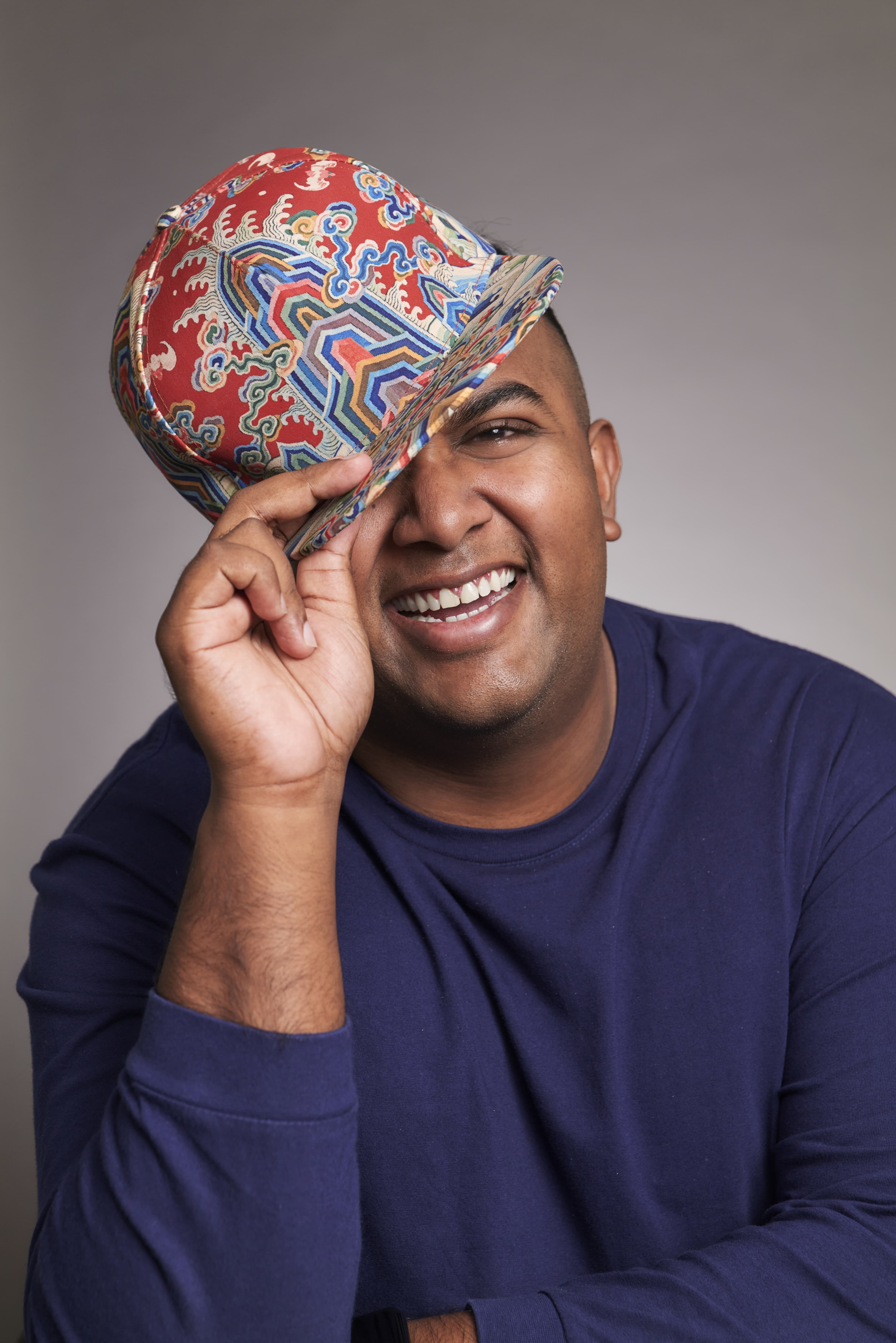
rovik. and friends discuss: the wealth gap

Our Deliberate Evolution group has gradually doubled in size so we now have 9 people who meet twice a month and discuss an open topic and book. I have to say, I’m proud of the progress this intentional effort has created and I’ve benefitted a lot from the range of insights and perspectives I’ve gotten. The last session on the Wealth Gap had to be one of the most paradigm-shifting conversations we engaged in, mainly because it made me question the rat-race frame that is easy to fall into here in Singapore. All of us seek to accumulate wealth to increase our returns to capital but what happens when we create barriers for others to do the same, especially when it’s targetted at particular groups?
As always, here are some of the key readings before our chat:
- Wealth Inequality Facts – Inequality.Org
- The New American Aristocracy – The Atlantic
- Why Migrant Workers Keep Risking – The New York Times
- The Ethics of Reducing Wealth Inequality – The Japan Times
In the focus on income inequality, many are likely to lose sight of the more severe phenomenon of wealth inequality. These phenomena are intrinsically tied since income is a means to wealth accumulation but the solutions to tackling income inequality may not do much to solve the wealth gap. This wealth gap refers specifically to the difference in ability for an individual or family to accumulate wealth, preserve and gain from it and finally pass it on. With the establishment of private ownership rights, those who come from families with a legacy of wealth are allowed to argue that they should be able to do with their wealth as they please. However, there are times where others who have never seen wealth in their families are blocked from opportunities to even accumulate wealth because of the societal structures enacted by the wealth gap. A simple example is the existence of private member clubs where networking and deal-making for some of the most important deals occur behind closed doors.
There is a distinction that needs to be made here. I support private ownership rights, and I think it’s important for the individual to have domain separate from government. However, I also think it’s worth questioning if that right is inalienable, especially when it restricts overall growth and exacerbates suffering. There are also those, who in their effort to preserve their wealth, discriminate and ostracize those who would seek to parlay from a weaker wealth position so that they may increase their own position.
The conversation we had started off with an American context because that’s where most of the group’s members are from and we quickly realized that as college graduates, most of us had already advanced into a wealth stratum. Our ability to navigate college and the world of internships was bolstered by the advice of our parents and peers as well as the institutional support of our university if we were in a good environment. We recognized that for a lot of first-generation college students, this lack of wealth-tied knowledge could potentially be a stumbling block and cause many to not advance their wealth stratum. Even in Singapore, our ability to own property and join associations is only enabled at certain wealth levels and can be inherited downwards. It is scary how much luck is necessary to be born into a certain wealthy family in order to be able to climb the ladder from a more comfortable position. Meritocracy in that regard assumes an equal starting point, which is becoming less frequently the case. Even education, which is meant to be the great leveler, has access tied to wealth and relationships.
For the areas where discrimination and oppression are at play to prevent social mobility, the solution is straightforward. Enact policy to prevent the wealthy from setting barriers to access based on features beyond human control (race, religion, gender etc.). But it is the arena of ambiguity that I still have no clear idea of how to move forward. How do we deal with wealth inequality as it is right now, especially when it’s ingrained in social practices that operate at a confluence of different phenomena? For example, it is not news that the Chinese Methodist Christians in Singapore own a significant portion of the wealth in Singapore. As there is a level of solidarity and community in these spaces, deal-making does occur there, reducing the probability of opportunities to outsiders. It would be ludicrous to mandate this community does not engage in deal-making only within that space, but it would tackle a major area of wealth isolation. These are the types of difficult problems that arise from the history of wealth-friendly policies that ingrain a sense of entitlement to inherited wealth.
Some of the ideas we discussed were the possibilities of capital gains and inheritance taxes to recognize the intergenerational need for a refresh and leveler as well as to encourage competition and reduce that sense of entitlement. These would be difficult to implement, especially if these earnings were earmarked for social leveling initiatives as the tracking and monitoring of such progress would be impossible. We also talked about creating opportunities for people from lower wealth backgrounds to access some of these exclusive networking and deal-making arenas through partnerships with corporations or government. We must be careful, however, of enculturing a further cycle of dependency within society where the rich and wealthy are seen as the only providers of access to more wealth. Banks such as JPMorgan and UOB have used their positions amongst the wealthiest to bring together the wealthy in ways to engage in philanthropy and service to other communities. However, the ability to get into those spaces is still on the precondition of wealth. These participants are then allowed to deal-make and earn positions on each other’s boards, all the while exacerbating the exclusivity phenomenon that is crucial to the wealth gap. Members of the served communities are rarely given the full support necessary to break out of their current wealth strata and jump into the next.
This topic was super interesting for me, yet also one that I realized a lot fo people don’t give a lot of active thought towards. Since coming back to Singapore and starting work, I have been invited to such exclusive spaces and have seen how such deal-making occurs. Do I engage in it and exacerbate the wealth gap or do I walk away but lose out on my own personal ability to potentially gain a new notional wealth status? These questions are crucial to survivability, especially in a high-cost environment like Singapore and not having immediate answers is scary.
Let’s hope I figure it out. If you have your own thoughts, let me know! I’d love to hear some other perspectives.