rovik. and friends discuss: the evolving face of war
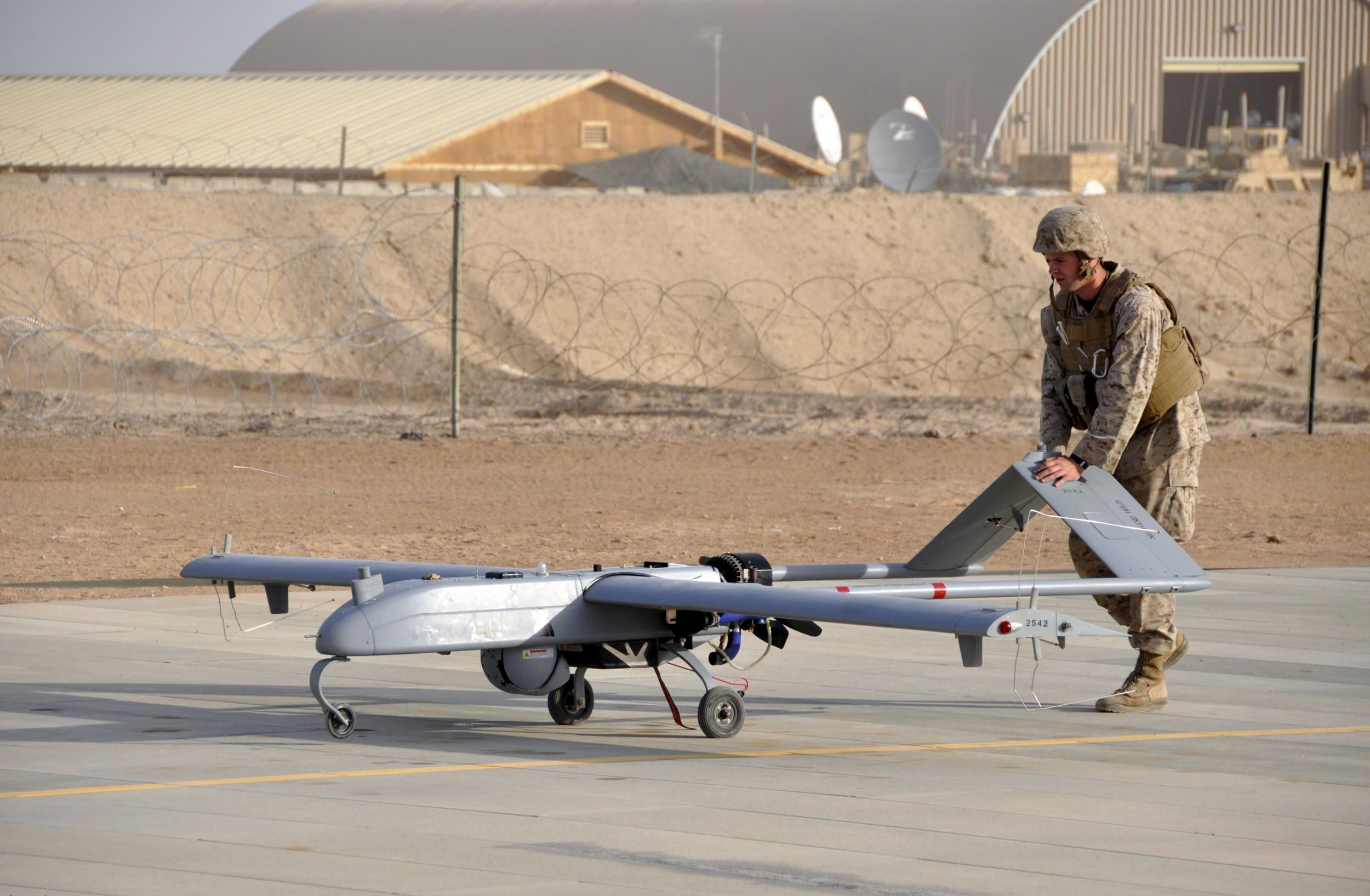
We’re almost at the round-up of theme of war and conflict, but it’s taken some time to sit down and contemplate the personal takeaways for a topic that can seem so far away. I’ve learnt to value the need for a point of view, as a private citizen who votes and has influence over his estate and communities. The past few conversations with the book club was around the traditional principles and circumstances around war, but this discussion tackled the evolution of war to include autonomous systems, hybrid tactics (such as use of propaganda) and a need for international alignment on terms of engagement.
As always, here are the resources we used to navigate this conversation:
- Emergent Types of War (2015) – FPRI.
- War and Strife – W, W & Norton
- Cyberwarfare – Wired Magazine
- Hybrid Warfare – Washington Post
- Lets Talk about Gray Zones – Morris et. al (2019)
- Global Conflict Tracker – CFR
There are two main topics I want to focus on in this post.
New Types of Warfare don’t necessarily remove old principles…
War is nowhere near a new concept. Enshrined within the Law of War (under International Humanitarian Law), International Human Rights Law as well as each country’s own Rules of Engagement are principles and controls that guide how a state proceeds with the affairs of war. Wars today look slightly different, with the increased use of drones, cyberattacks and proxy conflicts as new means to achieve regular ends.
However, we can use a similar lens to understand, diagnose and respond to new types of attacks. In Maj. Gen. Dunlap Jr’s address, he reiterates the concept of imminent threat as an common pre-requisite for decision to engage in war, still a basis for many attacks in the world. He also introduces the concept of status-based targeting where war delineates the use of force only of combatants, and not on civilians. This can be seen in the use of Stuxnet as a cyberattack on Iranian nuclear centrifuges which were a military asset, isolating incision to a threat.
In fact, because many countries still hold onto the traditional terms of reference around war and conflict, we have seen an overall increase in the death rate due to war, a statistic confirmed by Steven Pinker in Better Angels of our Nature. True democracies tend to be less likely to go to war, due to the checks and balances that inhibit abuse or foolish use of power. The complicated international order has deterred aggression on numerous counts, paving the way for diplomacy instead.
…but they could mean the need for new principles
Having identified that the foundation may not need much reworking, it’s worth assessing if the scaffold may require some additional supports. Our group identified that under traditional warfare, most action was visible to the rest of the world. Boots on the ground and shots fired were visible and felt. Today, under the new faces of war, covert actions and cloaks and daggers play a larger role. In fact, drone use, cyber-attacks and information warfare all operate on a near-persistent basis with an effort to undermine critical national infrastructure and sovereignty rather than to deal large payloads in an instance.
This is scary for a number of reasons. First of all, there is a need for new definitions and treaties. The Wired article talks about the effort to designate limited cyber-warfare agreements that ensure countries block off attacks on humanitarian zones such as hospitals, something currently not provided for in the reading of most laws.
It also requires individual states to designate how it wishes to continue the prevention of abuse of power. Previously, a primary imperative against declaring war could have been to guard against the frivolous deployment of soldiers and assets into conflict. But now, if war begins with a line of code, how do governments ensure checks and balances? The chain of command needs to be tightly placed – the potential for hijacking is also more obvious when autonomous systems merely require a computer-enabled right of access.
Finally, it requires a recognition of states that national defense may operate in what is being called “the gray area”, where a new set of strategies and tactics are required that don’t necessarily engage head-on but still deter aggression. My only issue with this implication is that it perpetuates the cloaks-and-daggers world of war as states operate in tactical maneuvers and positioning. Visible war makes me ironically more comfortable as you can identify players and their moves outright.
___
This brave new world may be something we take for granted as the news inundates us with stories of drone strikes and cyber-attacks, but we need to be able to zoom out from all the noise and the recognize the need for an accompanying evolving set of rules, not completely rejecting previous legislation, but enhancing it. As citizens, it also requires us to keep our governments accountable, to ensure the use of military action is only used in the most appropriate of circumstances and in the interest of national defense. Lots of things to keep thinking about.