rovik. and friends discuss: the economics of war
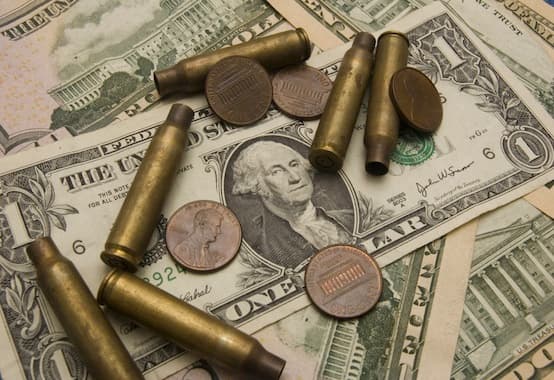
It’s been a long delay between when this conversation actually happened and when I’m writing this post but it’s been a long season of transitions and festivities. As a recap, my discussion group had chosen the theme of War for the past quarter and we were exploring different aspects and narratives around it. Economics is an oft overlooked aspect of war, in how it is financed and how it creates almost irreversible effects on the market structure. That’s what made this topic so interesting to dive into and why I enjoyed the discussion.
Here are the resources we used:
- The Economics of War | Matthew McCaffrey
- Rethinking the Economics of War
- The Economics of War (FEE.org)
- The Wartime Economy (Lumen Learning)
- We Are All Paying the Price for America’s Reckless War Spending (The Nation)
- The Economics of War (Wood Wilson International Center for Scholars)
Getting Funded
Wars get funded mostly from the three ways below:
- Taxation
- Borrowing
- Inflation
All three bring on costs to the economy and nation-state but it’s important to note that most states that choose to go into war will rarely put up an economic case for it – war becomes only profitable for an engaged party if you win it. Almost every one of the video or article above talks about how governments have taken all kinds of measures to hide the true costs of war, both in terms of accounting as well as emotional pain. For example, the US popularized the withholding tax in WWII mostly because it recognized that people often did not complain if they never realized the monetary gain in the first place. Some governments borrow from the wealth class and foreign lenders in the short-term and put off payment till another party gets elected into power.
What’s especially interesting to me from the resources found are two overlooked phenomenon:
- Opportunity Cost
Financing defense and war takes on a fundamental restructuring and reallocation of resources. Take the budget allocation cycle that most governments go through – they have to decide how much to allocate to defense, education and various other parts of the country. When more goes to defense, less can go to aspects that are just as crucial for a country’s survival including infrastructure and healthcare. War spending will hardly talk about that because it needs to focus on the spoils of winning, not the ongoing incurred costs.
- The Ratchet Effect
There is an intrinsic tension during wartime between laissez-faire market economics and government allocation of resources. Governments during war often commission consumer sectors to reallocate production towards wartime needs (e.g. producing rations instead of food for civilians). This channels both operating and capital resources towards war-centric purposes that are not so easy to reverse from. The state would increase taxation, provide powers for itself and incentivize behavior that benefited the forces rather than the market. These could be forgivable if they were temporary measures but rarely does a country go back to the level of market liberalization that it had pre-war. Compound it over a series of conflicts and you have a country that’s undergone the ratchet effect to have a government that has its hands in a lot of industries.
Finding Gold
There’s also a worthwhile question if the purpose of war can be economically explained as well. After all, the spoils of war must be attractive. The Wood Wilson report sums it up pretty nicely – if you didn’t get into it for the resources, you’ll learn you need them to keep going anyway.
Greed has been identified as one of the three core drivers for war, if not the top reason. The other two are need and creed. I personally don’t think anyone would deny that the victors of war would try every bit to recoup its costs through reparations, pillaging or some sort of economic program, but to put a prize as the reason for modern day war, especially today, seems short-sighted.
Then again, more major decisions have been made by stupider people.
___
The points above are some of the more interesting takeaways from the economics of war. I actually found the whole discussion morbidly fascinating, especially as we had to keep reminding ourselves that we were talking in scholarly terms about state-sanctioned violence and conflict. What do you think? Does war financing make sense the way it’s currently done and are the economic rewards worth the cost?