rovik. and friends discuss: narcotics regulation
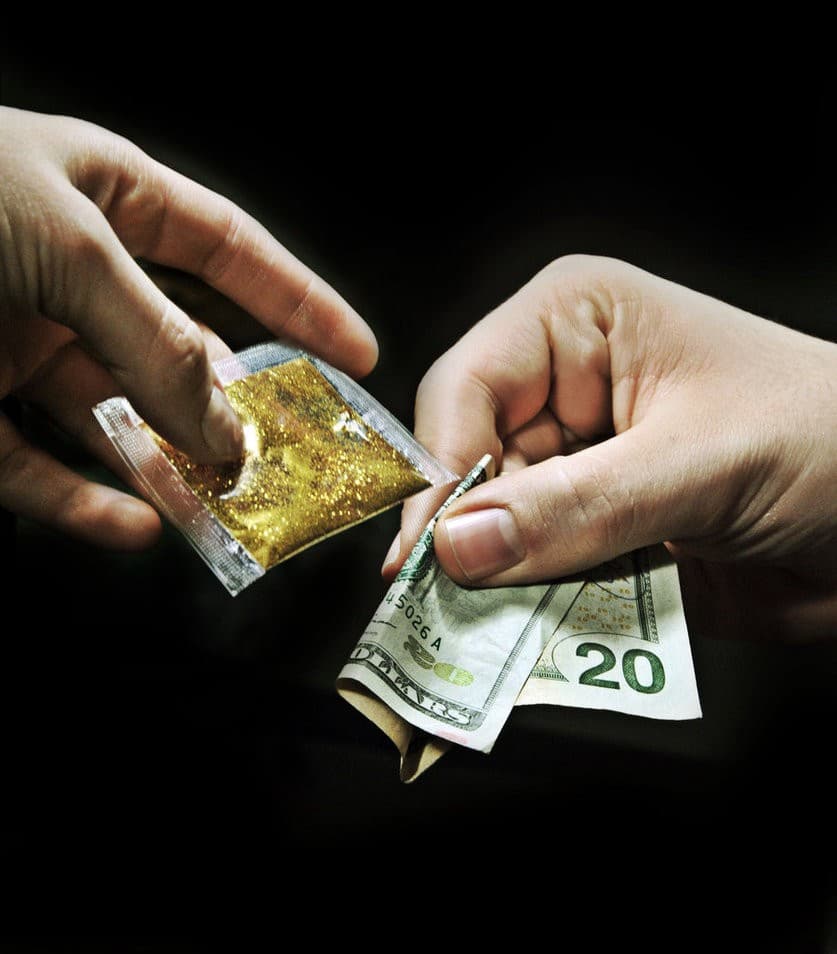
What would a month be without some controversial discussions? It’s become even more difficult, I feel, to broach complex conversations while based in Singapore, simply because of how entrenched everyone has become in a certain frame. Narcotics is a tricky subject to tackle because of how much harm it causes to communities and individuals, but if we are to take the Singaporean stance (a zero-tolerance drug policy with which I agree) and apply it to the rest of the world, we would be applying some bad policy principles. This conversation was an attempt to re-examine some long-held beliefs.
Before we proceed, as always, here are the main resources we used:
- World Drug Report 2018 – UN
- Essays on the Legalization of Drugs – Hoover
- Moral Hazard of Life Saving Innovations – Daleac & Mukerjee, 2018
A big part of our conversation is doing a stock-take of the current state of drug regulation around the world. In this case, we are talking about specifically controlled substances that often illegal such as cocaine, MDMA, and heroin. To conflate them all together would be a reductive move that serves little purpose. The role of substances in humanity’s evolution is well-documented and even currently shifting. Readers of this blog would remember my book review on Michael Pollan’s How to Change your Mind which looked at the re-acceptance of psilocybin and LSD into mainstream medicine. Marijuana is also seeing a trend towards legalization in the US, Canada and even all the way in Thailand.
We must always check our stigma. Sometimes our reductive views help us make life easier to handle but when provided with new knowledge, we must do a re-calibration. Science and policy are in this way showing us a couple of things.
Firstly, treating drug abuse as a purely criminal endeavor is limited in effectiveness as most cases tend to have large public health, community and educational features that need to be addressed as well. In the US, we can see that because of the flow of drugs from Columbia and Mexico, communities are steeped in problematic cultures and environments. Contrast that with Singapore, where because of the notorious zero-tolerance policy, most traffic is intercepted and most abusers are arrested and given treatment. I recall listening to Dr. Winslow talk about addiction management in Singapore and how most abusers are given effective help first alongside the criminal consequences. It is because the culture is “no drugs” first that we are able to be very targeted in our approach to drug problems in the community. However, in the US and other developed countries, drugs have become so prevalent that to a large extent, simply disrupting traffic is insufficient in addressing large community issues. Johann Harri talked about how in most communities where drugs are prevalent, there are corresponding spikes in crime, unemployment, and reports of loneliness. People must have options beyond drugs, and they must be able to choose better consequences. States such as Colorado are recognizing the confluence of such factors and taking a radical approach to narcotics regulation. They are setting up clinics where drug abusers can come in and get a controlled and monitored intake of drugs (such as heroin), stay and recover, and get the ancillary support of counseling, training, and medication. It is recognizing the reality of drug abuse as both a physical and social condition and doing what is needed to tackle both. I’m personally very curious to see the effects of this approach and whether it actually becomes useful in addressing some of these deeper issues in drug abuse.
Secondly, the role of drugs in our lives can also be seen as a political one. Marijuana is a highly stigmatized drug that has seen its fair share of advocates and vilifiers in both science and policy. Yet, one of the major reasons why governments would be scared to allow marijuana to have a legal place in society is because of its effects on productivity. It is indisputable that even if marijuana was not as addictive or destructive as its harder counterparts, it is still a major cause of laziness and sedentary behavior. Countries such as Singapore would lose a lot of its competitiveness if people were able to get access to weed. Yet, in the same regard, what role do governments have in making such decisions for us? Alcohol already has a legal place in society and even to this day, scientists are pointing out its damaging effects on society. I’ve read papers and articles claiming that whatever benefits accrued to alcohol is diminished by its negative effects on health and productivity. Yet, they are regulated and available for the adult masses. The case for marijuana has taken a very similar tinge. How much do we want the government, a fallible body made up of agenda-seeking humans, to have a say in what we can or cannot do to our own bodies? If the externalities to the community are similar vis a vis alcohol then a decision must be made in tandem to both. Currently, that is the rationale taken for a lot of liberal democracies in legalizing weed but Singapore has maintained its position due to the harmful health effects attributed to its own selection of scientists. I’m personally unconvinced of this position not because I’m an advocate of narcotics in general but because I’m critical of the over-reaching arm of government in the personal lives of its citizens.
The role of ideology in conversations around narcotics needs to be measured. I’m personally an advocate of recovery and rehabilitation for abusers before any sort of penance. Real people need to be given real treatments so that they can join our communities again. But we also need to evaluate how such dynamics interact as society evolves its moral standards and sense of responsibility. We have progressed in many ways and in this way, so too could we see a different track ahead of us. It’s a lot to think about.