rovik. and friends discuss: international perspectives on sustainability
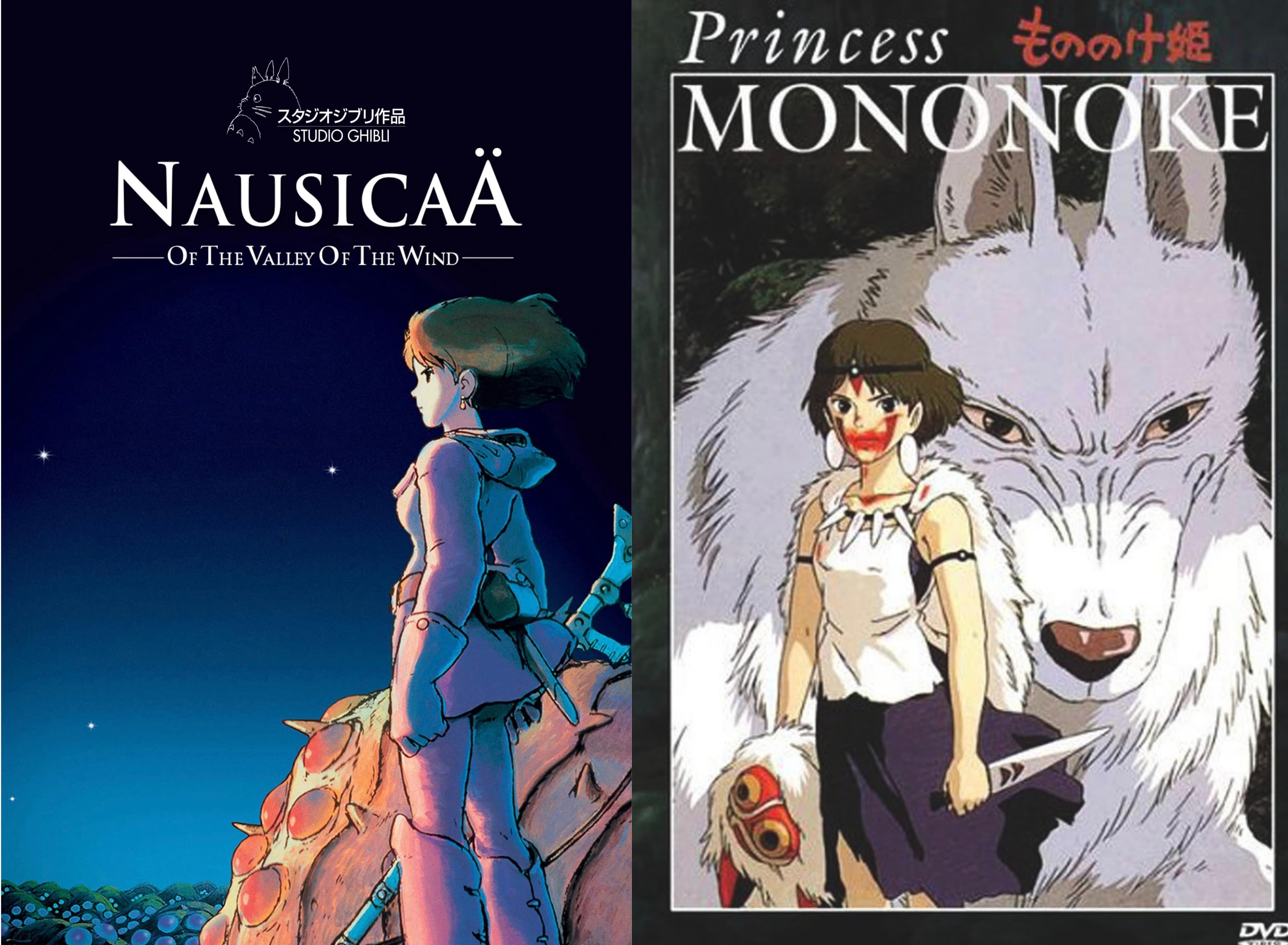
One of my favourite things about our book club is its international orientation – we have members call in from all around the world to discuss topics, simply because we find value in such spaces. It also means that when we discuss topics such as sustainability, we expand the range of perspectives we consider to go beyond paradigms that originate from the US and EU. Given that civilisations across the globe have developed relationships with their natural environments, we wanted to get a taste of some alternative views. We started with two films from Studio Ghibli that are notorious for their eco-apocalyptical themes, to hopefully get a look at a more East Asian perspective on the environment.
The two movies we watched were:
They are both relatively older films but with evergreen messages, and the best part is that you can find them both on Netflix! These movies are definitely not representative of both East Asian perspectives nor of international perspectives in general, but they give us a start.
Active Ecosystems
In most paradigms, the environment is a resource to either be extracted or to be maintained. It is an inert subject for mankind to utilise for its ends, for example – manufacturing. Humans are the active focus in the conversation around the environment. However, in Studio Ghibli’s movies, the environment has a life of its own. Whether through the Shinto-esque spiritual realms of the forest or through the more well-understood feedback loops in ecosystems, there is an appreciation that there are real forces ongoing within the environment.
Animals are also provided with a stronger voice and mission in these films. Princess Mononoke sees these animals that can actually communicate with humans, and that organise themselves to defend the forest from human encroachment. In Nausicaa, while the forest creatures do not speak directly, you can see that they are paying attention to human action with both pain and indignation. The change in perspective is refreshing, as it reminds us that human beings are not alone in our environments – there are other living species that are not just also trying to survive, but are having their existence threatened by human action.
Relationship with the Environment
Both movies challenge the paradigm that a human saviour is needed to protect the environment. In some ways, the best way the environment can be respected is to be left alone and engaged respectfully. This is slightly counter-intuitive, given that most responses to the climate crisis involve more human action on the environment albeit with the intention to reverse previous harm. However, human action is always going to be imperfect and likely to cause unintended consequences. It does appear, from these films at least, that we do it best when we mind ourselves to avoid interfering with the environment at all.
Perhaps these are not realistic ideas. We have talked in previous discussions that there are whole societies that need to achieve the next bound in economic growth before being able to even consider pivoting to more sustainable practices – but these movies suggest that we are talking about existential issues where the environment has already been crying out about the impact to the world’s longevity. It is only a question of whether we see it.
___
I have always enjoyed a good animated film and these movies were great to watch. What other movies provide different perspectives on the environment, especially outside of “Western” portrayals? I would love to check them out.