rovik. and friends discuss: genetic engineering
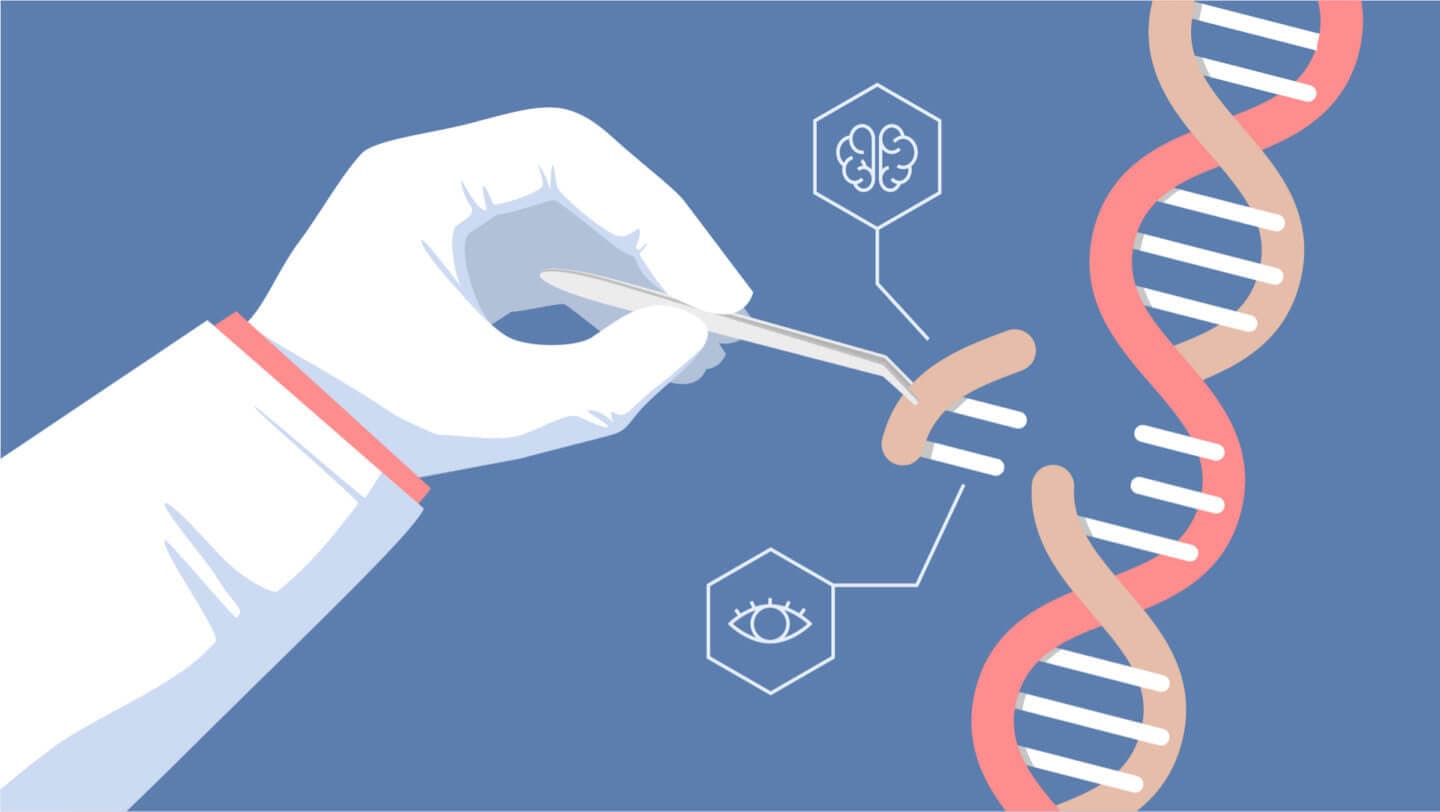
What if you could design your baby? What would you choose your baby to look like – would they be attractive and smart? Or would you prefer to let life have its way, for natural genetic processes to have its chance? These ideas sound strikingly new given the recent prominence of CRISPR, but we’ve actually had these conversations before, whether they be at the conclusion of hit biopunk film Gattaca or at the dawn of the Green Revolution and Genetically Modified Crops. The chatter becomes scary only because the science to changing the very face of the human race seems a lot more nearby and we don’t seem equipped as a society to deal with the ethics of it all.
As always, here are our resources:
- Video: The Science and Ethics of Genome Editing – Professor Jennifer Doudna (Convergence Science Network, 2018; 30min)
- Easy DNA Editing Will Remake the World. Buckle Up. (Wired, 2015)
- EXCLUSIVE: Chinese scientists are creating CRISPR babies (MIT Technology Review, 2018)
- Scientists Can Design ‘Better’ Babies. Should They? (NYT, 2018)
Gene editing can be considered along two main dimensions: 1) cosmetic vs restorative and 2) current vs prospective. CRISPR has already been experimented on for current restorative conditions such as sickle-cell anemia, and even for prospective prevention of diseases. Yet, cosmetic edits along the lines of eye color and intelligence are also being explored as viable research opportunities. Much of the controversy tends to revolve around the ethics of such cosmetic modifications, especially as it interrelates with privilege, race and socioeconomic status. Additionally, there is an issue of germline modification, whereby whole genealogies change with such editing and humanity as we know it splinters into a different species.
Privilege and Gene Editing
Our group attempted to debate the avoidance of technology determinism in genetic engineering. Can we genuinely see the scientific community pausing any form of genetic engineering simply because we seek to form ethical constraints on them? As scientific communities in different countries race to be the first to create the “Perfect Baby”, we may be wasting our time on the question of “Should we?” when we should instead be focusing on “Now what?”. Whether or not we despise the attitude of technology deterministic cultures, the output is being generated and we need to deal with the wider ethical matters of norming such consequences.
One can imagine that with the engineering of the Perfect Baby, parents will seek to reinforce norms around beauty and status by having their baby look and act a certain way. Would there just be an influx of blue-eyed, white, intelligent children in the population?
Admittedly, CRISPR is not an accessible procedure for the vast majority of adults. If commercially accessible, it would likely be for those with the wealth to rely upon, increasing the consolidation of privileged attributes towards the wealthier class. Inequality is likely to increase as wealthy families produce even more desirable babies while others must live with the luck of the draw when it comes to their children and genes.
Such an issue becomes even more exacerbated when we think of how our modern infrastructure, from insurance to healthcare policy, is ill-equipped to handle most forms of inequality today anyway. If we do not deal with the ethics of CRISPR before allowing commercial access, we are in for a prejudiced future.
The Future of our Species
Vox produced a really good documentary episode on CRISPR, interviewing people with dwarfism who hated the possibility of a future where dwarfism was eradicated from the human population. Rather than see dwarfism as a “disease” or “condition”, people with dwarfism valued their individuality and unique positions in life.
However, as certain genetic modifications are not isolated to the person themselves but instead to their whole offspring onwards, there are wider consequences to any genetic edit made, however trivial they may seem. Such a future could see complex conditions such as autism and dwarfism completely eradicated from human society.
Harari talks about this in Homo Deus, where he explores the evolution of a superior class of human beings without pre-existing conditions and longer lifespans. He postulates that Homo Sapiens, beings such as us, may end up subservient to these Homo Deus, creating an even more stratified society. While a lot of these are slippery slope arguments, the logic is not completely unsound, especially observing the evolution of humanity so far.
Are we comfortable with a future where procreation is no longer about two people coming together to create life, however imperfect but good in its own way, and instead is about the selection of attributes from a genetic buffet line? The very way we look at life is subject to massive change. It’s all very exciting fodder for existential discussions, but the reality of the implications make it slightly more urgent to form a moral position.
___
Thankfully, CRISPR has a long way to go before being able to change complex attributes such as intelligence and agility. Governments and scientists must take advantage of this lag to dive into the ethical conundrums before the issues become actionable. Even more importantly, so must we as citizens start developing our own positions on genetic engineering so that we can advocate, protest and regulate as communities and organizations. If there was one thing this conversation inspired me to do, it was to stop becoming nonchalant about the possibility of genetically edited babies and to start dealing with the realistic future of it. So too must all of us.