rovik. and friends discuss: cancel culture
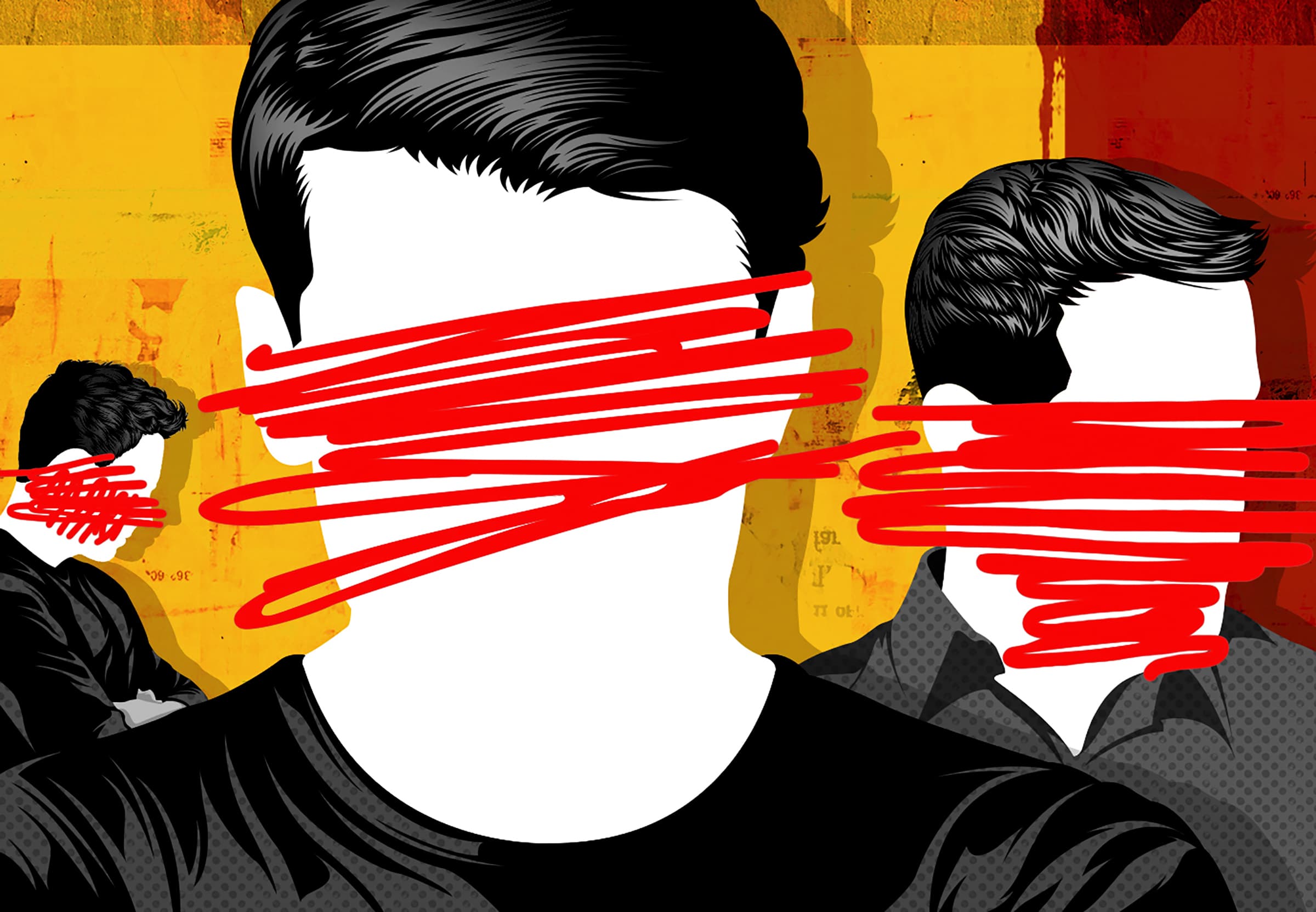
Does cancellation lead to restoration and reconciliation? This was the question we tried to answer in our discussion group as we continued on in our thematic series. According to Merriam Webster, cancel culture (or call-out culture) is a modern form of ostracism in which someone is thrust out of social or professional circles – whether it be online, on social media, or in person. It is often performed when the same someone breaches a moral or social norm or value. We’ve seen this globally, from Harvey Weinstein (all the way in Hollywood) to even Xiaxue (here in Singapore). In our discussion, we looked at the meta-case study of Gimlet’s Test Kitchen, where the hosts were called out for contributing to systemic racism while they were producing a show on systemic racism at Bon Appetit.
As some background, here are the resources we explored:
- Original Bon Appetit Saga
- Test Kitchen (Episode 1 and Episode 2)
- Test Kitchen (Message from Team, admitting missteps)
- Stepping down of Reply All team
- Original Call-out Twitter Thread against Reply All team
- The Long and Tortured History of Cancel Culture – NYT
- Human Flesh Search Engine
Cancel Culture has always existed, in different forms
While social media and political polarization has increased the rate and scale of call-out culture, the phenomenon in itself is not new. One of our group members shared that one of its attributed origins is in black communities in the US where call-outs were a means to ensure accountability but ultimately keep communities healthy. “Call-ins” allowed those who departed from the community values to be brought back into the fray via intentional engagement measures (e.g. counselling, rehabilitation etc.).
Of course, it’s also more sinisterly traced to oppressive tools used by those in power to silence those that proved a threat. Ex-communication by the Church, public bullying by influencers and political humiliation by governments are all similar in patterns to “cancel culture”, except that in the modern day variety, power is kept to the mob. Therein lies the main fear – the mob is a social construct, ephemeral and quickly formed but ultimately unpredictable. Those in power never know what to expect as mobs can form along any lines and social norms are evolving too fast for some to keep up.
Is Cancel Culture useful to us as a society?
If you have distrust of those in power and institutions, cancel culture is an important mechanism for “the people” to have checks and balances on those in power – it spits out those who don’t keep to societal values. It therefore reinforces social norms and values, although if these are still in flux, then cancel culture instead reinforces gaps between factions. For example, if a male-identifying celebrity is “cancelled” for not using gender-inclusive terms in his Instagram post, because society in general has not wholly accepted gender-inclusive terms as a baseline necessity, the “cancellation” is more likely to polarize rather than keep the system whole.
Perhaps more importantly, cancellation has become a badge of honor for the anti-woke, further dividing society. It is important here for me to acknowledge that I am not supporting some of these perpetrators that have been called out – but I am more interested in how we keep human systems healthy while holding bad faith actors accountable. Cancellation avoids key elements of reconciliation, especially when relentless and absent of forgiveness if the perpetrator has sincerely apologized and made remands. Bon Appetit and the Reply All team are in shambles, and there is no clear future on how those teams can move forward while making strides in inclusivity. Both sides are stuck – those who have cancelled and those who have been cancelled.
The solution is not clear, the discussion group is still on the journey to discover elements of effective reconciliation and healing in human systems. Watch this space.