rovik. and friends discuss: building communities
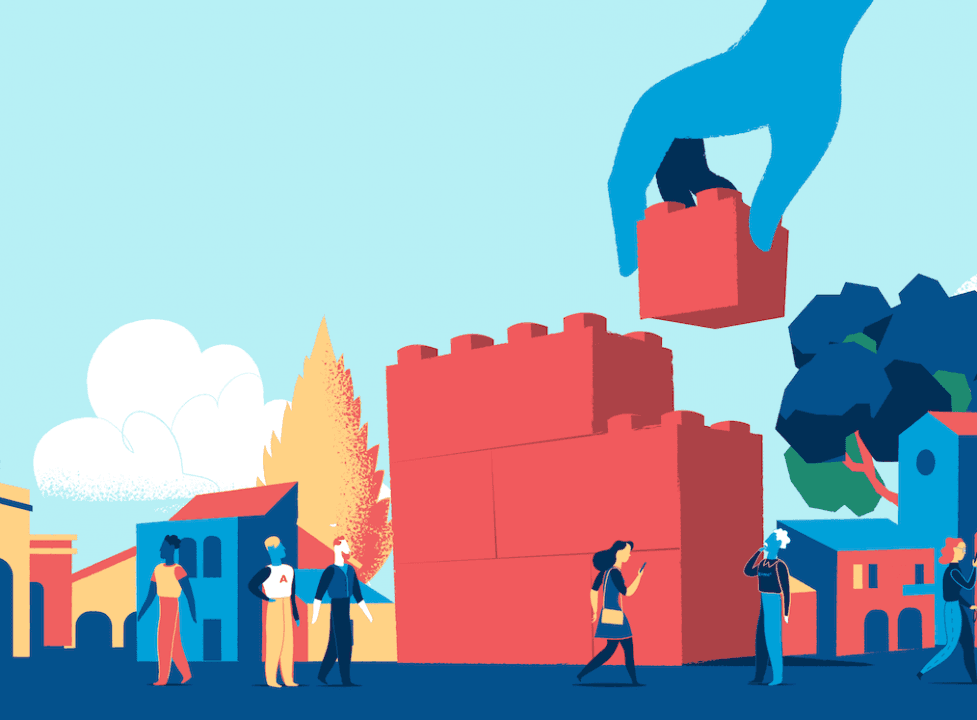
In our final conversation on Connection, we looked at the evolving face of community and the elements needed to sustainably build communities. For those who have followed my sharings for a while, you would know that community building is a deeply important topic to me, especially as a means to empower regular people to take action. This discussion was especially insightful for me, as we looked at new “chosen families” and the implications of online-only communities.
Here are some of the resources we used to guide the discussion:
- The Good Technologist: Kai Sotto – People & Company
- Sense of Community: A Definition and Theory by David McMillan and David Chavis
- Psychology Today: Finding Connection Through “Chosen Family:” Extending your definition of “family” can lead to a growing network of support by Jeremy Nobel
- Time: ‘Everyone Needs Someone Else:’ Americans of All Ages Are Coming Together in ‘Intentional Communities’ by Jeffrey Kluger
- Vox: How the alt-right’s sexism lures men into white supremacy: The movement’s many online communities prey on male insecurity to advance a racist political agenda by Aja Romano
Communities don’t look the same way they used to
I’ve been struggling with this idea for a long time. For the most part, we find easy communities in groups we are born into, covering racial groups, religious groups and even, as a result of backgrounds, political groups. These were the lines by which people used to form some sense of identity. These lines also intrinsically disallowed certain forms of identity and expression, whether it was personal (e.g. sexuality, gender fluidity) or socio-cultural (e.g. survivors of sexual assault).
It’s also very common to hear in Singapore that the “family unit” is the building block of society. This is the first level of community that people are expected to understand. But this paradigm depends on an outdated establishment of the family unit, one that has two parents (excluding single parents), who have birthed all their children (excluding families enabled by adoption) and are unified through heterosexual conventions (excluding homosexual parents, and alternative union types e.g. civil unions). One can separate their moral/ religious views from the reality on the ground – these new units exist and require support to be integrated into the wider communities that we know. Yet, we continue to exclude them and push them to form new communities of their own, on the fringe at times and hidden at others.
In these ways, it’s not surprising that communities do not look the same way that they used to. They are drawn in different strokes and with a much richer palette of colors. People are forming communities where they cannot find support but must rely on others to find comfort or achieve goals. Communities continue to underpin our social fabric, and if we don’t acknowledge all of them, we only cheat ourselves of the reality on the ground.
Online Communities reduce the barrier for connection
Related to my point above, when people need to find communities outside of traditional spaces, the internet provides an accessible outlet for them. Forums such as Reddit and even 4Chan (in the case of the incel community, as shared in the article list above) function as watering holes for new communities where local geographies don’t have enough people ,or perhaps where being visible is dangerous or grounds for discrimination.
There was a discussion on whether online communities meant that physical meetups were no longer relevant. Could online groups be the only type of communities moving forward? The obvious answer is no. Physical intimacy and presence builds trust and comfort between humans, but why do we feel like some online communities, especially those built on hate, seem so powerful? My hypothesis is that such online-only communities have certain limitations in the level of impact it can create. It can amplify voices and reassure people, but it is difficult to mobilise real action that requires sacrifice and commitment. These come about more when there are physical interactions that ground our relationships.
The definition of community can be a wooly one, but I enjoyed Kai Sotto’s definition in the podcast I recorded with him. He said communities refer to “Groups of people who keep coming together over what they care about”. This would mean that communities can exist regardless of platform and depend more on the principles that underpin its formation and functioning. Online and offline efforts can both support community values, especially when deployed strategically.
__
I valued this conversation a lot. The ways in which we connect are changing, pioneered by those on the fringe but broadly being adopted by the masses as we go on. It’s important for anyone that must work with people to understand how such changes affect how they engage people and build teams. The future belongs to those who can continue with connect with a broad base of communities.