life on the french riviera: nice and monaco
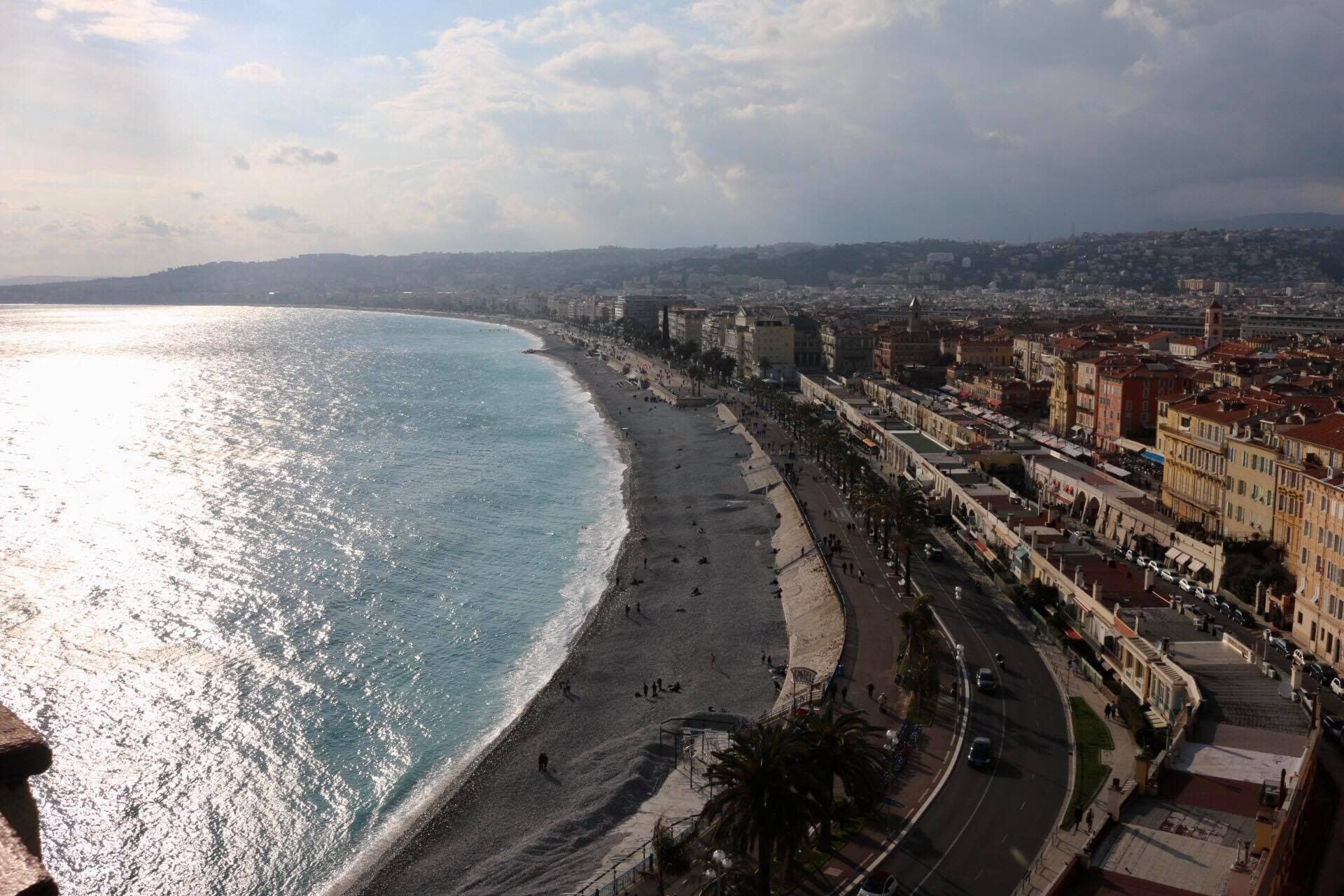
After experiencing the adventure of Provencal France, I decided to take a trip out to the French Riviera, a stretch of coastal cities and settlements famous for its luxurious views and beauty. While the canon normally includes a comprehensive road trip through St. Tropez, Cannes and Antibes as well, I couldn’t make my way to them as a solo traveller. I did find myself indulging in the scenes of Nice and Monaco however, and getting some of the best coastal photos I’ve gotten in a while.
Nice

Having been to Paris, I was already jolted by how different Marseilles was. Nice is a lot closer to the popular French ideal city, full of parks and promenades with the unique embellishment of being on the Mediterranean and having a beautiful oceanfront scene. Most of the other Riviera cities are similar, being small and quaint and each one only worth staying for 2 days or less. Nice is normally seen as the base of operations for any Riviera trip, having the airport nearby and a range of buses to all the other cities.

Nice is a less of a city to do stuff in and more of a city to just explore and soak in the views. On a warm spring day, this was the perfect way to spend time. The Promenade des Arts is a long park running through the center of the city and where you can catch locals in action, having picnics or playing games. There are a number of museums around the park as well that you can check out.


If you’re a church person, the Nice Cathedral is a baroque style building that looks decent on the exterior but very beautiful on the interior. It is right in the Old City and the square around it is a popular spot. From here, you can start exploring the many side streets of Nice’s older city and visit the many shops.


If you’re still looking for spots to soak in the sun, the Garibaldi Plaza is the place to be at. This is where a number of cafes have patios and outside seating and is not as hectic as the beach or the old city. Grab a glass of regional wine (read: Rosé) and catch up on some reading.


In the early morning, make sure to head to the Nice Flower Market, where not only do merchants put out a range of beautiful flowers for sale, farmers and bakers come out to sell freshly harvested or made goods. You can spend a good amount of time just wandering around and trying different goodies. I especially love the squash flowers they sell in abundance during season, and when they deep fry them, you’re reminded of why the region is so popular.


If there is one iconic area in Nice aside from the beach, it’s Castle Hill. Here is the best viewpoint of the city and also the site of both a scenic waterfall and ancient Roman ruins from when Nice was an important part of the Roman Empire. You can find frescoes, buildings and excavation sites among romantic couples and families enjoying the day. You can access the hill either from the eastern end of the beach or from the old city, the latter route is more interesting in my opinion.


Of course, we have to talk about Nice’s beach. While not necessarily my favorite, this is one of the longer beaches I’ve seen. The public beach is very pebbly but the water in the sun glimmers quite elegantly. You could spend your time on the beach itself or grab a drink at the many waterfront restaurants and bars on the Promenade des Anglais and appreciate the views.


As mentioned before, Nice is really just a city to roam around in. Both the Old City buildings and the classical French style buildings will keep your head looking up the whole time and help you realize why this is a popular vacation spot for Europe’s wealthier folk.
Monaco

If you take the bus 100 from the Nice Port (for only 1,50 Euro), you can find you way in Monaco, a principality that is intimately intertwined with France but operates mostly separately. The city comes across as a giant resort, with a large port for all yachts and tons of gaming (read: gambling) related businesses. You can easily see the city in a couple of hours.


Probably the most historically significant part of the city-state is the Monaco Castle District. Here you will find the Prince’s Palace, where sometimes you can catch the Prince making his way in, the Monaco Cathedral and the Oceanographic Museum, a great viewing point for the sea. All of the sites are mostly publicly accessible, and the Oceanographic Museum’s aquarium is pretty renowned but just roaming around the district and taking in the great views can be sufficient. It is elevated higher from the rest of the city so if you want to snap that iconic Monaco photo, this is the place to do it.

Monaco is also home to the popular F1 Racing Track and you will see plenty of regalia near the main harbor about the F1 and its history in the city. The harbor area itself can be explored and has a number of restaurants and bars to check out.


Most people come to Monaco mainly for the Monte Carlo casino. This is a casino celebrated in film and literature and is luxurious both inside and outside. Having a Beaux-Arts architectural style, you cannot help feeling rich as you approach the complex. They do have a smaller casino near the Cafe de Paris for more casual guests but the main casino has higher security and attire restrictions. You could also roam around the car park and admire the rides of the high-rollers who are vising the casino. Expect to see some classic gems.


For something a lot more accessible, the Condamine Market is where you’ll find the locals hanging out. From fresh seafood and produce to ready to eat delights, the market is a delightful and comparatively much cheaper part of Monaco.
Food

Food in the Riviera region tend to be a mixture of French, Italian and some Northern African/ Mediterranean influences. Think olives, seafood and a less meat-heavy diet. if there’s one thing you must try though, it’ll have to be Socca. This is an unleavened pancake made from chickpea flour and normally eaten dabbed with white pepper. It’s served piping hot and is absolutely delicious. Most stalls sell it for less than 3 Euros but Chez Rene Socca is an institution in Nice for it.

Another must try is the Pissaladière – a pizza topped with caramelized onions, olives and anchovies. It took me some working up of the gut to try it but it ended up tasting pretty good. This can be found in most cafes and patisseries in the Riviera.

Have you heard of the Niçoise salad? Originating from Nice and served with tomatoes, hard boiled eggs, anchovies and olives, this salad is famous for its fresh flavors. If you’re not a salad person like me, they serve it as a sandwich and call it Pan Bagnat for a much cheaper price. This too can be found at most cafes and at the Flower Market.

Something unique I’d recommend is the Petits Farcis. These are normally vegetables (peppers mostly) stuffed either with meat or courgettes, and can be a great snack midday. Again, most cafes or roadside stalls dish these out quickly.

In Monaco, make sure to find your way to some Barbagiuan, translated to Uncle John but essentially a fried ravioli stuffed with Swiss Chard, a vegetable that is a Riviera favorite. These snacks are sinfully addictive and is one of the things I’ll always remember Monaco by.
Here are some general tips for the Riviera:
- All cities in the Riviera use Euros and while proper restaurants take payment cards, you should expect to pay mostly in cash around here.
- Each city is extremely walkable and you can reach every other city by public transport for a cheap fare. However if you want to do more exploring and especially visit the vineyards or less touristy beaches, then a car may be a good idea.
- All of these cities tend to be very safe because of how expensive the cities are to live in. Just exercise basic caution
- Cost of street food is affordable (less than 5 Euros) but everything else can be slightly costly, especially in Monaco. Do prepare to spend a pretty penny.
- Accommodation is cheapest and most easily available in Nice. I highly recommend Victoria Meuble for an affordable stay.
Let me know if end up visiting more parts of the Riviera that I should have checked out. Hope this guide helps!