How to Travel like Me

I’ll admit, the title is a misnomer. I’ve always believed that you shouldn’t try to replicate someone else’s travel style. However, so many friends have asked me for tips on traveling, either about solo traveling or chain traveling, that I’ve decided that I’ll collate some of my top thoughts here for easy reference. So if you’ve always wanted to know how I visit ten cities in two weeks or how I’m able to always be around new friends, this is the post to read.
I want to begin by defining two terms that exist in my dictionary: solo traveling and chain traveling.
Solo traveling is the process of traveling by yourself. You don’t have someone on the transportation mode with you or someone that you’re making accommodation arrangements with. It’s just you and your plans. This doesn’t exclude the possibility of having activities with friends, especially if they are locals and you’re visiting them, but the primary nature of the trip is for you to see the city or region for yourself.
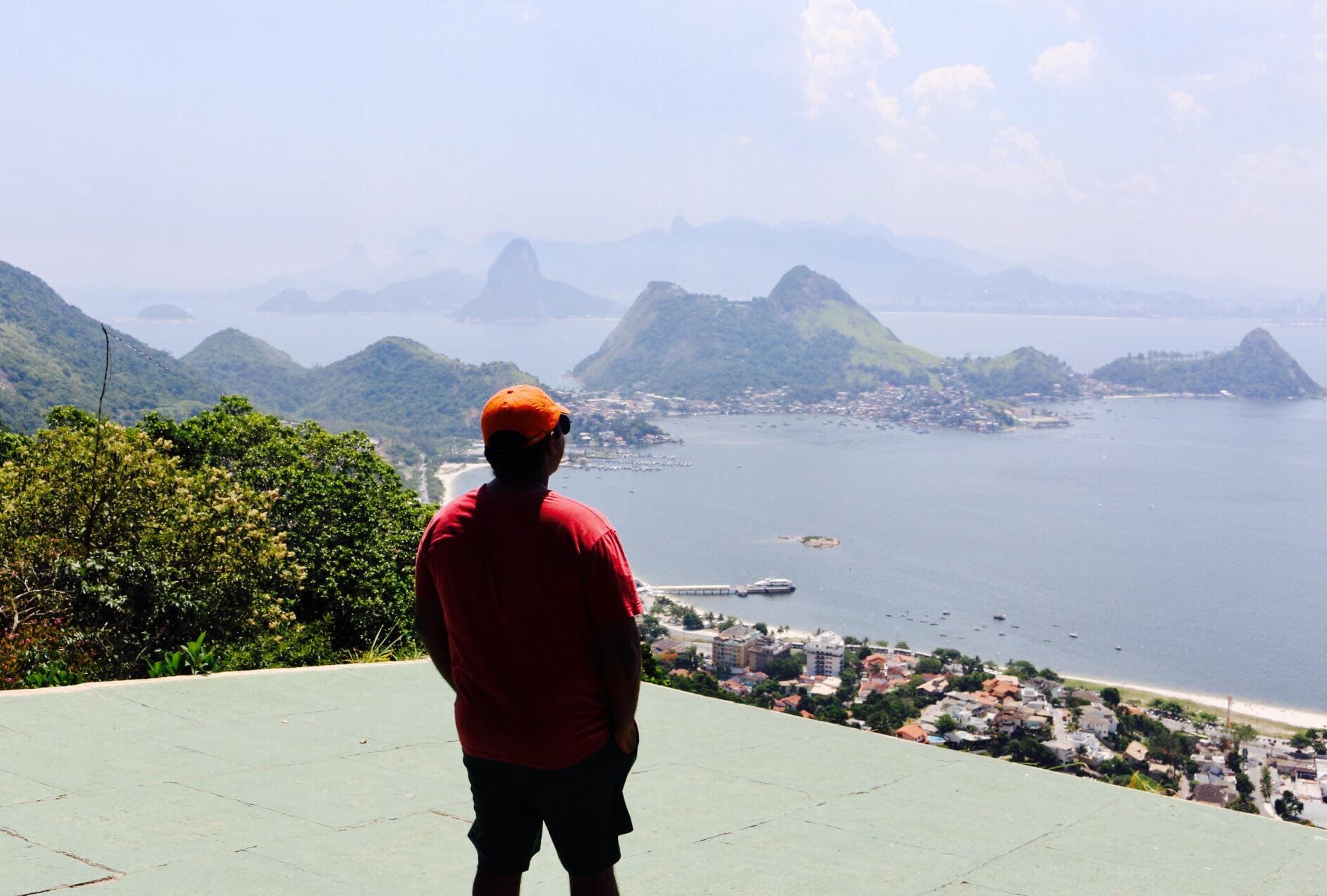
Chain traveling is a more obscure term but it describes a style of travel that is not too popular. I’d compare it to Eurotripping – the popular youth lexicon of hopping around multiple cities in Europe. Chain traveling is very similar, except that you’re moving at a faster pace and the term can be used regardless of region. My South America trip from Peru through Nasca, Cusco, Puno, La Paz, Salta, Buenos Aires, Sao Paolo and finally to Rio de Janeiro in three weeks is a good example of that. There’s a concerted effort to see multiple cities and maximize the experience in each city for a short period of time. It’s unpopular for travelers who like to spend days at a go in a single city and ‘feel like a local’ but I’ll argue that you can experience locality as a chain traveler as well with some simple preparation.
Now that we’re on the same page with these terms, here are my five priorities of traveling:
- Be Prepared to be Spontaneous

I plan, a lot. Every trip I make has around 6-10 hours of planning time that goes into figuring out the best flights, the hippest hostels, and the top recommendations. I’m making reservations for restaurants and buying presale tickets at least two weeks in advance. I’m making sure my trip is being as cost-effective as possible. There are so many times where people have missed out on opportunities because ‘tickets were sold out’ or ‘they just couldn’t squeeze it in’. If you’re visiting a region, especially one that’s hard to get to, you’re going to want to see as much of the place as you can without overdoing it. I’d also recommend using apps like Hitlist which provide alerts on cheap flights based on a list of locations you’ve given it. It really helps with planning.
Having said that, there is a lot to be said for being spontaneous. Traveling becomes magical when you catch the vibe and flow of the place and ride along. I’ve had some of my favorite stories and memories while overseas simply because I was spontaneous. But, trust me when I say that you can plan for your spontaneity. In an average 3 day stay in a city, I’ll always give myself at least one night completely free to do what the vibe of the night is. I’ll also rarely plan my day outside of the must-reserve itinerary items. So if I have to go to a museum at 2pm, I’ll have loose plans from 12pm to 6pm, so that I can be more of a wanderer before and after. I’m talking to strangers and going into buildings at these times, seeing things that are not in the guidebook. Also quick tip: book early for planes and trains but be flexible with buses and cars. Buses and rentals have mostly fixed prices so you can always book them the day before for a spontaneous escape but you can’t do the same for planes and trains.
There’s balance at play and it’s something I learned to achieve over time, but I’ve gotten so much out of my time in each city or region simply because I care about both preparation and spontaneity.
2. The Holy Trinity of Finances

Money. It matters. Everyone’s going to have a budget they plan to work with. It’s a fallacy that you can travel on any budget – there is a minimum sum that you must meet. Here’s the lowdown – take these three line items and add them up:
- Transportation Cost (especially flights)
- Accommodation Costs (hostels/hotels etc.)
- Food and Drinks Costs (find the average price of a meal and beer in the city and multiply it by your meal count)
Take all of that and multiply it by 1.5. That’s your minimum budget. It’s a rough formula I use and is, of course, scalable based on circumstance. For example, if the flight is extremely costly (if it’s a long-haul, for example), you’ll want to discount the multiplier a bit. Or if you’re Couchsurfing, then you’re going to have to take that into consideration. But all in all, you want to cover the holy trinity of costs and make sure you have a good buffer beyond that. That way, I stop thinking about finances when I’m on my trip and can focus on having a good time. How you make that budget and how you split the rest of the money – that’s up to you, but I’m always going to want to anticipate costs before they scare me mid-trip. This is also why I’m not a fan of travelers who beg on the streets in order to make their way to their next destination – it shows poor planning and a disrespect for the travel community that prides on being good guests in the cities they’re in.
3. Get Digital

I’m a millennial and proud of it. While I’m aware of the plethora of issues plaguing our generation because of our reliance on social media, I also believe that it offers us so many new ways to discover and be digital. Some of my top apps for when I’m in a city are as follows:
- Google Maps – I plot all my want-to-see locations on my map in a list and do my own walkaround. That way, I get to see all the sights in a specific area without needing a tour guide or route – you’re free-form and still seeing everything important. I also save locations that are not recommended but that I find cool on my lists for later reference. If you have the time, I’d also recommend being a Google Reviewer. I review restaurants I visit and I try to be fair in my evaluations. I also value the ratings of other community members who have taken the time to evaluate the top spots in an area.
- Instagram – I know what you’re thinking, but with Instagram’s Story and Places features, you actually get real-time information on what’s happening the city that you’re in. I’ve found out about so many events and activities simply because I’ll go on to Instagram’s *Country* Story. Also, I’m an amateur photographer so seeing where people have taken some of their cool photos helps me plan where I want to take my photos too.
- Cool Cousin – Most people stick to one travel guide app. Some choose Lonely Planet, some choose Google Travel and I’ve personally tried all of them, but I’ve decided to go with Cool Cousin. I am a bit biased because I’m a Singapore Cousin, but Cool Cousin provides a good balance between curated recommendations and personal flexibility. Cool Cousin allows you to browse a city through the people who live in it, and by selection of the profiles that interest you, you gain access to their top recommendations, allowing you to truly see the city through the eyes of a local. You can then mix and match what you’d like to keep on your map and that allows you a good range of options to explore.
4. Be Social

This is probably the hardest tip because it does require a natural inclination to want to meet people, but being social is one of the most profound elements of traveling. Meeting not only locals who know the region at a more intimate level, but also other travelers who have their own stories to share. As I’ve traveled, I’ve made the effort to put myself in positions where I’m not only making friends but also creating memorable moments. I’ve had adventures, many of which make it to the grand storybook I keep in my mind, that end up connecting me at a deeper level to the people I meet. A good night out with drinks is a common location for this but there have been plenty memories that occur in the realm of sobriety.
Staying in a hostel and talking to your roommates is a good way to approach this if you’re a newcomer to the whole ‘socializing while traveling’ game. Alternatively, Meetup.com and Couchsurfing provide many gatherings for travelers where you can meet others. Also look out for Pub Crawls where other travelers are also trying to meet people. All of these are platforms I use on a rather regular basis.
The best, of course, is having friends or friends of friends who are there to welcome you and introduce you to their friends. That way, you understand the city and region from their point of view, frequently intertwined with politics, family, and culture. My stories have become my currency as a result of this. I travel, and people want to hang out to hear my stories from my travels. This allows me to create more memories with them and add stories to my repertoire, enabling the virtuous cycle. It truly is an exciting journey.
5. Have a Heart for your Destination

In my opinion, this is my most important piece of advice, and I’ll be dedicating a future post to more about this. I started out as a rather selfish traveler – I was there to take photos, eat good food and take from the land as much as I could. Most travelers are also like this.
But as I traveled and connected with people, I also learned about the environments in which they lived. In cities with histories that were extremely complex, I learned to empathize with those who had to deal with the fallout or consequences of the actions of those who came before them. I learned to see people not as attractions but as important features in this complex web I was entering. I wasn’t just entering a city, I was approaching a fog made up of layers that were difficult to separate from each other. There are culture and history and tragedy and promise and so many others.
Dark Tourism (or tourism around tragedy) is becoming an important neo-liberal trend that coopts the ‘desire to be authentic’ as a marketable operation, but the gesture holds some important considerations. How do you learn about a region’s past while being responsible? How do you ensure you’re being respectful of something that affects lives on a day to day basis?
I believe it begins with having a genuine desire to understand the country, region, and city you’re visiting and not to simply ‘get your Insta’. Intent is key, and while it seems easy to get your head right, it takes conscientious effort to make sure you’re a responsible traveler.
___
So there you go, some of the main principles I follow while I travel. Hopefully, this gives you a better idea of my traveling style and how I’m able to be so successful at having a good time wherever I go. Let me know if there’s anything specific you’d want me to write about and I’ll make sure I make it available somehow.