Hamburg Days
This will be the first of seven blog posts I will be writing over the next month or so, recapping my travels through parts of Western Europe. While it was my third Eurotrip already, I still found myself being constantly amazed by the history, culture, and promise of each destination. The journey starts as I leave Berlin for the Free and Hanseatic City of Hamburg, Germany’s ‘Gate to the World’.

I had heard a lot about this city – people told me that if I loved Berlin, I would definitely enjoy Hamburg. I’ll spoil the story by saying that Hamburg met all of the hype and more. Part of the reason for this is Hamburg’s major role in the international politics, both past and present. Hamburg was one of the major leaders in the Hanseatic (a combination of Handel, meaning trade in German, and Sea) League, and therefore influential in the flow of goods and services in Northern Europe. It was here where people, especially the Germans, found out about the rest of the world. This is also why many say Hamburg is one of the most liberal cities in Germany, having been open to various sorts of people for a long time. We’ll revisit the liberal side of Hamburg later on, but a good location to start your exploration of Hamburg is at the Rathaus, which is German for Town Hall. Here, you can see some of the major influences of Hamburg’s trade-oriented past. If you come at 10am, you can join one of the many “free” tour groups that meet at the square right in front and get additional information about this building and others.

Another cool area worth checking out in Hamburg is the Kontorhausviertel. The architecture here is stunning, reminding me a lot of Chicago-style buildings and outsets. Many of the buildings here were built by traders as warehouses, and some of them are named according to the countries majorly traded with. For example, the Chilehaus was named because the owner traded a lot with Chile. The Chilehaus is especially renowned for its modernist brick architecture.

Hamburg has a lot of churches, you’ll see the spires from anywhere in central Hamburg. In fact, I’d even say all of the five main churches (Hauptkirchen) are worth checking out. If you were to go to one though, I’d definitely recommend the St Nicholas Church. This is more of a memorial and one of the starkest reminders of Hamburg’s obliteration during the raids of WW2. It was a strong strategic decision by the allied forces to attach one of Germany’s strongest economic centers and achieved its job of depleting morale in the city. Today the church remains mostly as rubbles with some memorial features and an elevator that takes you to the top of the spire. There aren’t any plans for rebuilding the church so it continues to be a good reminder of Hamburg’s past.

If you’ve followed the post on a map, you would have noticed that you’ve slowly been making your way to the port. Here is the Old Port, just north of the Höhe Brücke (meaning High Bridge), where the old city of Hamburg ended. Here is also where the famous Great Fire of Hamburg is said to have started, another parallel to one of my favorite cities, Chicago. They say if you want to have some particularly local Hamburg cuisine, here is the place to come to, although I have other recommendations below that deviate from those.

From the old port, keep making your way south and you’ll reach the current port of Hamburg. This is where you can take boat rides and also where you get some of the best views of the warehouse district.

There are many sights in this area. One option is to head to the Elbephilharmonie, famous for two major reasons. The first is its architectural brilliance, where not only does it sit on the water but it also has one of the best acoustic designs in the world. Every part of the wall is ridged to contribute the right acoustic element. The second is the controversy this massive design had on the cost of construction. What started out as an already expensive vanity project for the city turned out to be 12 times more expensive – so you can imagine the taxpayers freaking out. Thankfully, you can get free access to the public portion of the building to get some really good views of the city but you’ll need to book a ticket online or wait in line. If you want to catch a show, it’s recommended you book as soon as shows are released.

Another spot in this area is the Minatur Wonderland, not really a Hamburg-er thing, but still very cool. This is the largest collection of miniature sets in the world and it’s truly worth the visit. I was skeptical initially but the tickets are rather affordable, especially for students, and so I headed over. The sets are extremely detailed and also full of some fun teases and secrets. As an engineer, I was also enthralled by the operation of it all, and you can see the BTS and operations of it pretty easily.

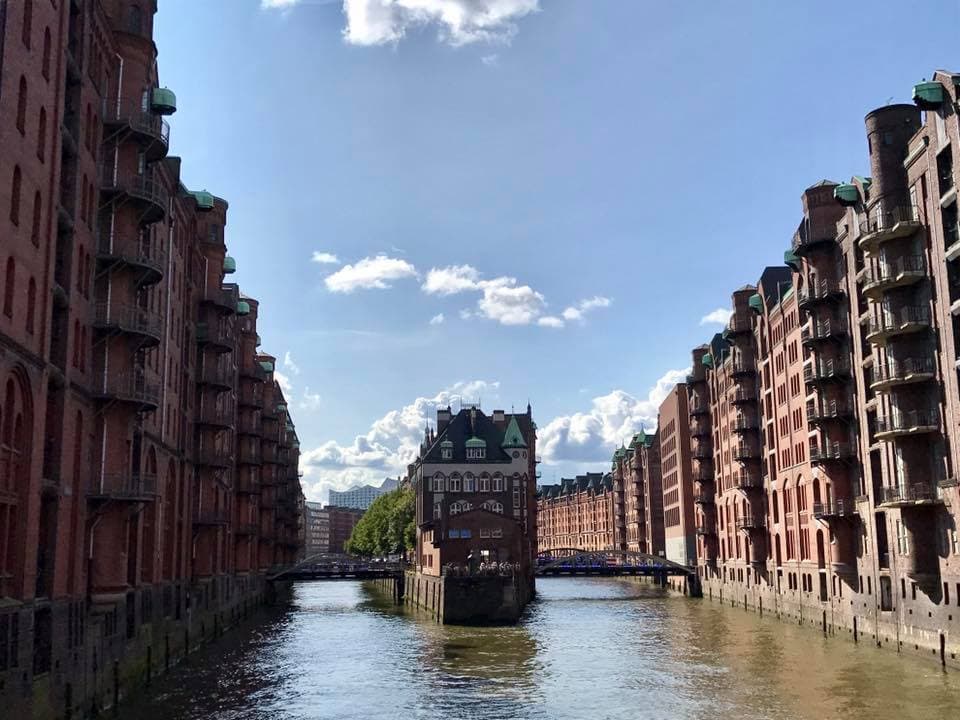
The whole area here is a UNESCO-protected site called the Speicherstadt, or Warehouse district. Similar to the Kontorhausviertel, this area was made popular because of its architectural styles and its relevance to the Hanseatic trade. There are a lot of cool photo spots and you can spend a good half-hour just walking around and taking the sights in. Also, a lot Germany’s major national publications have their main offices here so you can see them easily around the area.

The St Pauli Tunnel is a cool spot that’s a bit of a find within the main commercial port of Hamburg. The tunnel was built for pedestrians and bikers to cross the river to the other side of the port, but the engineering feat is magnificent enough to attract tourists to come and just check it out. It was built a long time back so you can see some historical elements within the building, but make your way down to the actual tunnel and you’ll be surprised by the fun lighting of the tunnel. It’s a light show by itself down here and is fun to just observe, although be careful that you don’t stand in any biker’s way as they are relentless.


One of my all time favorite things to do in Hamburg has to be just spending time at its port. Here you can take either private boat rides (or a boat party if you so feel), or with your day pass get on the public transport boats. Yes, you don’t have to pay exorbitant prices and with the Boat 62, you get an amazing tour of the port and some of the hard to reach areas of Hamburg. You can hop off and hop on at any point, but I just stuck around to catch the beautiful (in fact, one of the best I’ve seen) sunset and then on the way back, the blue port, Hamburg’s current art installation where the whole port is lit up with blue light. This was such a memorable part of my whole trip.

Now remember how I talked about Hamburg being liberal. When you talk to Europeans about Hamburg, many will tell you not to leave without checking out Reeperbahn. This is a street just north of the main commercial port, where a lot of Hamburg’s nightlife tends to centralize. This is also Hamburg’s red-light district. You’ll find strip shows and brothels alongside legitimate clubs and live music venues which makes for the perfect storm. You have bachelor parties going on and then you have corner cocktail bars that just open up on the weekends. It’s really quite the sight and even more of an experience, and if you go with friends, I’ll assure you that you’ll wonder why Vegas gets all the limelight instead of this spot.

If you still have time in Hamburg, go up to Sternschanze, which is the hipster district. Here lies, the Rote Flora, one of Hamburg’s biggest symbols of radical-left-liberalism. This is where people gathered before they protested the G20 Submits and this is where you’ll find what some people call bums and what others call free folk. They’re pretty snarky about you trying to go in because it’s still illegally occupied (it was supposed to be redeveloped but the liberals haven’t let it go) so be careful when you head there. The district by itself is really charming and a good spot to grab coffee and meals.

Before I jump into the food recommendations, I want to strongly encourage one Hamburg must-do, which is to catch the Sunday fish market. This occurs at the Fischauktionhalle, or the Fish Auction Hall, and only opens on Sunday at 5am. The freshest catch is sold then and so what many do is to either wake up really early and meet up or just party all night and then head over here for supper. Of course, I did the latter. It’s also one of my favorite experiences from all my travels and in the actual auction hall, there are live performances, also starting at 5am. Is it really worth the effort? Yes, absolutely.

And now, food! We’ll start with the obvious – get a fish sandwich. There are plenty of stalls along the port but I got mine at the Sunday fish market. The one I’d recommend is the Krabbenfisch sandwich, which is basically North Sea Shrimp piled onto a bun with lettuce and remoulade. It looks weird but it’s absolutely delicious. It’s normally the priciest item on the menu because of how difficult it is to get them prepared but it’s so good.

Hamburg is also supposedly where the Hamburger came from. Apparently, when the US was discovered, settling sailors wanted to recreate the popular sailor’s dish of putting leftover meat between buns that came from Hamburg, and so the hamburger was born. One of the spots to check this out is the Oberhafen Kantine, which also sells a bunch of other Hamburg local specialties. Ask for the Rundstuck Warme, and you’ll get an extremely affordable meal of leftover meats between a bun with a side salad.

You’re starting to notice that German food doesn’t look that appetizing so you shouldn’t be too surprised by the Labskaus, a famous Northern German dish. This is minced beef spiced with some ingredients, topped with a fried egg and served with beetroots and pickles. I had mine at the Old Commercial Room, which is said to have the best in the city. It really was amazing, and tastes much much better than it looks. The place is always booked though so reserve early or come during non-peak hours for a quick try. It also tends to be expensive so you can get a mini portion here for a cheaper value.

If you’ve already fallen in love with Germany’s kebab culture (especially in Berlin), then you’re in for a treat with Hamburg’s Kumpir. These are stuffed baked potatoes, normally with salad, some meat and tons of sauce. Is it healthy? Probably not. Is it delicious – absolutely. My favorite spot is Kumpir König where prices are cheap and service is fast.

You’re in a port town. If you haven’t had a seafood platter, you’ve wasted your time here. Fresh fish, grilled to perfection, drizzled with lemon juice and served with sides of fried potato slices, salad, and remoulade. There are a number of good spots to check out, but Schabi’s, is going to be a strong recommendation from me. I actually chanced upon this spot while walking to another recommended seafood restaurant, smelled the good food and made a snap decision to go here instead. I’m glad I trusted my instinct because this was one of my best meals on the whole trip. Salmon, cod, mackerel and other fish are available for your selection.

Another thing you’ll notice in the bakeries here are the Franzbrotchen, which is basically similar to croissants, just that they are flattened and topped with sweet flavorings such as chocolate or cinnamon. They’re very cheap and if you’re grabbing breakfast, I’d definitely say get this while you’re in the area, because I couldn’t find it outside of North Germany.

Nightlife-wise, Reeperbahn is going to be your pregame spot but I had the opportunity to check out a hidden bar called Clockers. This is a really cool spot for some well-served cocktails, just north of the main Reeperbahn area that has another secret bar on the second floor that only houses 10 people at a go. Come early is the rule here. Another cool spot to check out is Uebel & Gefährlich, which is a nightclub that has both electro and hip hop music. The overall grunge aesthetic is pretty cool and being in a WW2 bunker was quite the experience.
Quicktips:
- I stayed in the instantsleep hostel, which was very affordable and accessible. Only downside was that the WiFi here is weak.
- Uber isn’t here. Public transport and late night cabs are the move.
- Safety tends to be good here but I’d still avoid parts near the Rote Flora and Reeperbahn too late at night – they’re not all well-lit which seems like a basic necessity for safe areas.
Overall, I had a great time in Hamburg and completely agree that you haven’t seen Germany till you’ve made a stop here. I personally have to thank Alena and Sophie, two friends from the MISDI program I’m in here in London, who met up with me while I was there and went on an adventure with me. These memories don’t make themselves up.