brunch-chat in singapore: session three
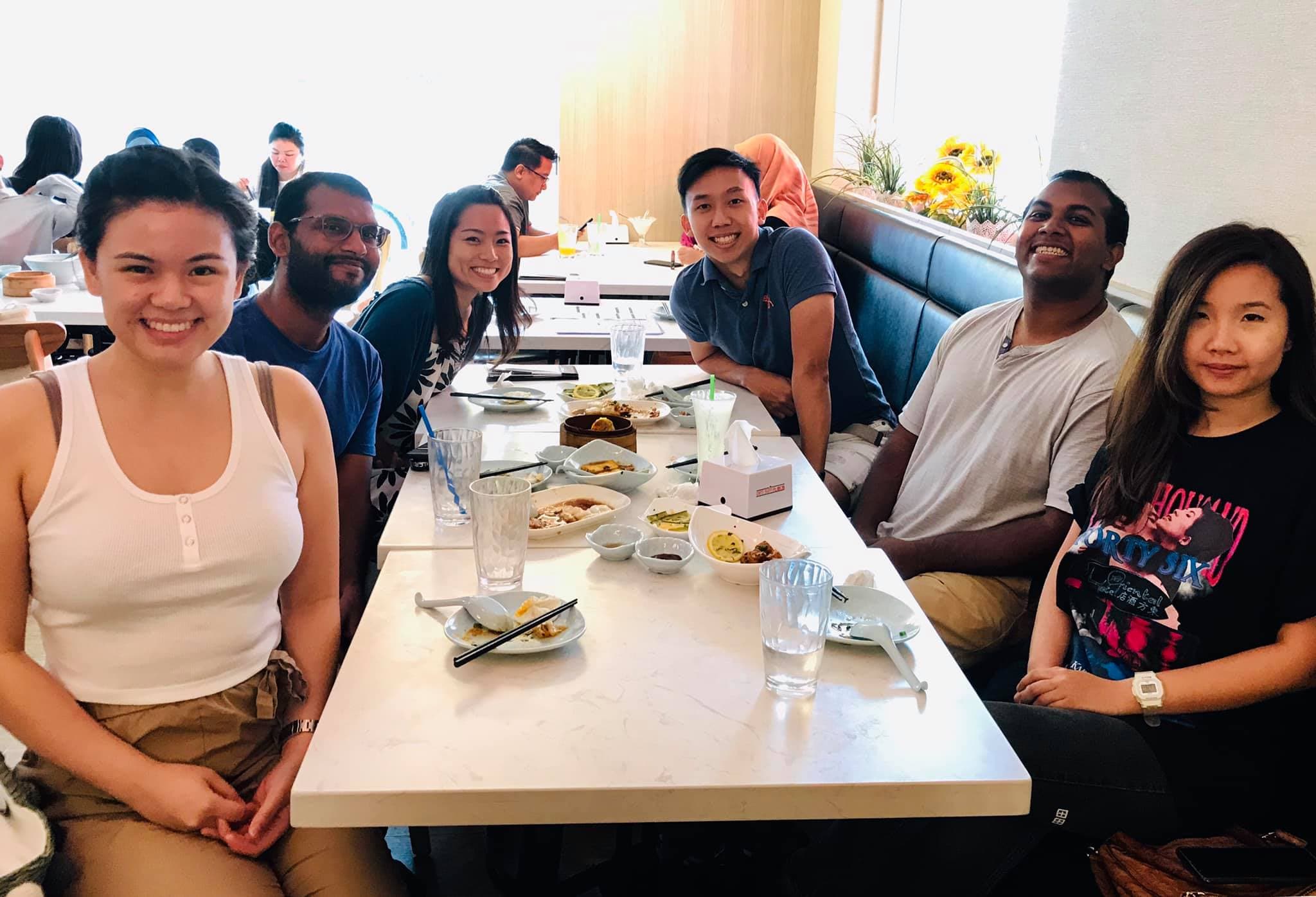
Another month and another group of friends brought together to indulge in some of my big questions about Singapore and society. I was getting closer to a perspective on the nation that I felt comfortable with, and the chats these days were progressing forward from simply discovering truths to now validating theories. My third session clarified one core theory about Singapore: Institutional Dependence.
Note: While these views were developed after discussion with the group involved, they are also only mine and do not represent anyone else’s.
Institutional Dependence
Every developed country has institutions – organizations or codified norms that provide the backbone of a country. This can include anything from organs of state to civic organizations. Through both SGExplained and these chats, a common trope I’ve seen repeated across domains of concern is how much we tend to trust these institutions, to the extent that we’re willing to both not seek checks and balances as well as easily forgive when mistakes are made.
Consider the controversies of the past 6-8 months: the SingHealth data leak, the NUS Peeping Tom incident, the Fake News Law, the MINDEF handling of deaths and injuries on exercise – we see time and time again a cycle of initial outrage, a lack of concrete way to establish recourse by the people, an apology and commitment to do better by those in power and then a return to status quo, albeit with minor modifications. There are key points of failure that potentially could be detrimental to our ability to function well as an accountable state.
Firstly, without a legitimate means for those who are aggrieved to seek recourse, we lack a means to provide an impetus for those in power to be cognizant of blind spots and risks. Currently, we blindly trust those in power to be of good character and of bright minds but in today’s complex state of affairs, these are insufficient to prevent ego, confirmation bias and group-think from plaguing decision-making.
Secondly, we refuse to question the very centrality of institutions in our lives vis a vis the independent mind. We must be critical of everything given to us by those in power such that we can temper agendas with the needs and priorities of those that are governed. Institutions are important to provide organizational efficacy and stability to the values we seek to achieve in society, but history has taught us that no one is infallible. We must place the independent mind, an organ that is simultaneously a tool of incision and reflection as well as receptacle of memories and moments, as the point of focus. We
Of course, there are fair critiques to this argument, the easiest of which is that this is too much of a burden for the everyday citizen. Institutions participate in the famous social contract in taking on responsibilities in expectation that the citizen foregoes certain privileges. This is an efficient means for the individual to focus on achieving their personal goals, whether it be personal wealth accumulation or some sort of actualization, while institutions take on the mandate of shaping the environments in which we operate. But even if we were to reduce the burden away from the everyday citizen to just the enlightened few, we still see a lack of actionable opportunities. We like to believe the system takes care of itself rather than actually implicate ourselves as active features of the system.
There is an element of concentration of power, emboldened by the populous’ inability to actually take action against the lazy and incompetent, that is scary to broach in this dense society. Our dependence on institutions are premised on the values of meritocracy and equality of opportunity, threads that are under attack for its disingenuous application in society today. We are witnessing the effects of network domination and special interests in most institutions and have to keep a critical eye on those who are in power, not to impede their agendas but to ensure that they remain faithful to the mandate given to them.
___
Naturally, the question that we discussed without resolution was “What’s the alternative?” Do we simply want more inefficiency in society at the benefit of some form of enlightened civic state? This zero-sum perspective frustrates me but is a fair position given the reality of resource constraints. I couldn’t really argue for a reality where some inefficiency does not ensure from the increase in checks and balances but I also was able to see myself living with such a reality in favor of long term robustness in the system. Hopefully, over the next few chats, I can think of something novel and interesting.