brunch-chat in singapore: session four
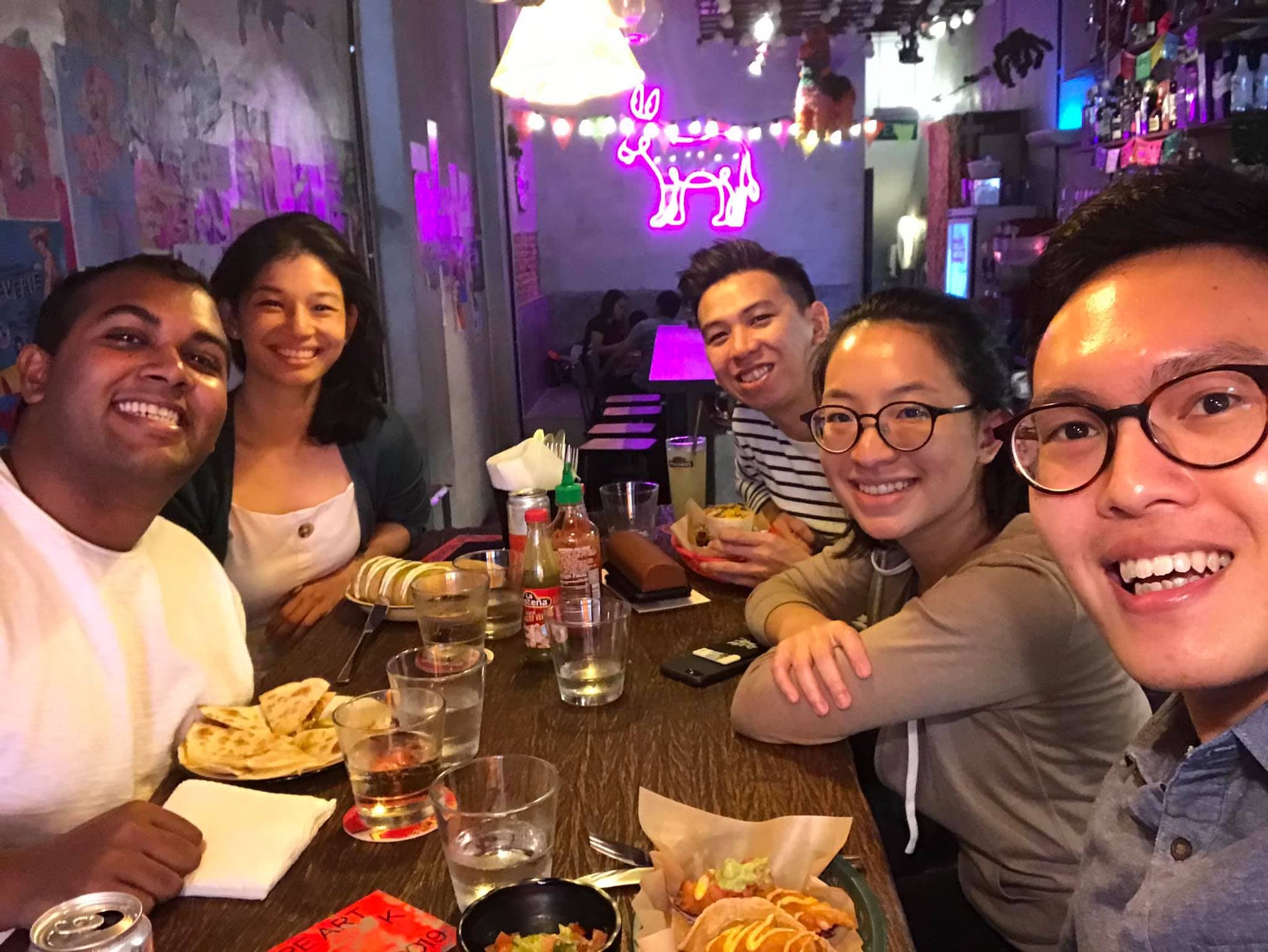
Everytime I think I know all there’s to know about Singapore, I find myself being brought to new ideas and features through the people I talk to. It’s one of the reasons why these facilitated chats work, where I pull together different threads I’ve had individually with my friends and try to inject new dynamics into them with a group setting. Compete, confront and concur to find out that points once held steady are open to evolution. Such was the sentiment after our latest chat where we talked about everything from news consumption to hidden communities.
News Consumption
I was prompted a couple of weeks back by an older friend of mine who was recalling his habit of listening to the BBC everyday. I told him that while I don’t listen to the BBC, I definitely keep a practice of consuming a regular digest of the news through my email newsletters and podcasts.
Our group realized very quickly however that not many of the rest of Singapore actually read the news, at least in the traditional ways of consumption. Most people get information about the going-ons through social media and coffeeshop (cafe?) talk, but very few people try to find a reliable fact-based institution to anchor around.
I don’t want to use this blogpost to talk about the value of a healthy news diet, especially in an era where the effort to construct a trustworthy narrative around disparate facts is so important. Rather, I found it worth noting that no one saw a problem with a lack of a news diet. People can continue on with their occupations without worrying about the daily news, only relying on articles and segments when necessary to their jobs. I was very bewildered by this resignation but suspected a lot of it to fall back on a heavy institutional reliance once again. Without fear of manipulation, why care about consuming the news – someone else will have our best interests at heart. Of course, the truth is that the only people who can advocate for themselves sincerely are themselves, and so therefore, an informed self is vital.
Hidden Communities
We also talked about the CMIO categorization that Singaporeans are so used to. What happens when we encode our culture by the communities that constitute it? Well, it appears that if we don’t regularly update our definition of those communities, we become restricted by how much we want Singapore to be identifiable by. With the CMIO categorization, we lose appreciation of the fact that we’ve had for example, Peranakan (both Chinese and Indian), Jewish and even other Southeast Asian communities be strong pillars of our society. We also should be concerned about the label of calling ourselves a global city when we still don’t have major cultures from the African and Latin American region represented well here. My insisting on the label when the reality doesn’t much, we do ourselves disservice in actually identifying how to be welcoming to these cultures in our tapestry of Singapore.
The topic of tolerance has survived only because we’ve worked with the majority populations in Singapore, but that has been less from an angle of celebrating diversity and more from an angle of reducing conflict. If we truly cared about celebrating the many people who contribute to what Singapore is, we’ll carve better places for unique communities to be proud and for others to learn about them. Otherwise, we’re faced with a future where these communities continue to be hidden.
__
Let me know if you’d like to be a part of future brunch-chats!