Bruges or Ghent? The Belgian Pretty City Dilemma
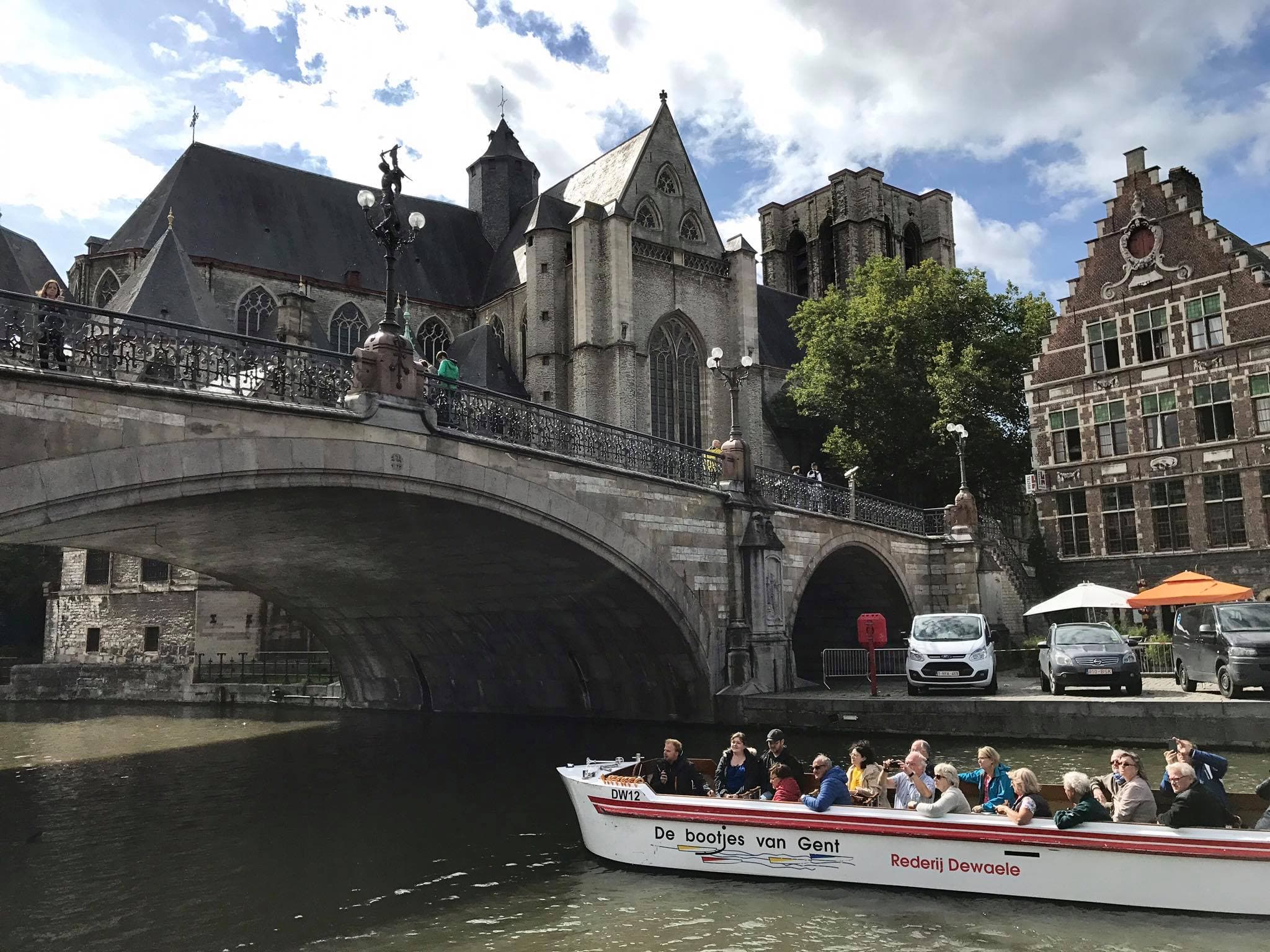
So you’ve made it to Brussels and you know you want to take a day trip to one of Belgium’s famous small cities. You’ve heard a lot about Bruges, especially after watching In Bruges with Colin Farrell, but you’re hearing that Ghent is a less touristy and equally beautiful city. You’re stuck now, you have only a day and you want to maximize your time – which city do you go to? This post aims to help you figure that out.
Right off the bat, I’m going to tell you that you don’t even have to choose one city over the other. If you’re like me and don’t spend too long in a single place, it is not only feasible to schedule both cities within a single day trip, it is also cost-effective. A return ticket (for students) from Brussels to Bruges costs less than 20 Euros and you’re allowed to stop at Ghent along the way back for no extra cost. So if you plan your day right, you can do Bruges in the morning and Ghent in the afternoon. The upside is that you get to see two pretty remarkable and charming cities in one day and avoid that FOMO, but the downside is that Bruges is known for having a great environment at night and you’d have to miss out on that. It’s up to you but I’ll start by describing each city and then comparing them at the end.
Bruges

Bruges is known as one of Belgium’s most picturesque towns and is filled with beautiful buildings, snaking canals and cobblestone paths. As the capital of West Flanders, it is both politically and culturally an important city and has entered the hearts of many by its romanticization in the mass media. The walk from the train station in the heart of the city center will take you through Steenstraat, one of the prettier streets in Bruges and where you can see a lot of Flemish-style architecture. This is very similar to Dutch-style architecture.

Keep walking down the street and you’ll make your way into the Great Market, the heart, and soul of Bruges and where you’ll see the onslaught of tourists in the city. They have a nice market here most days and especially with the Provincial Court and its grand aesthetic as a backdrop, it makes for the small city experience most people come for. The Provincial Court’s facade is worth observing for its Gothic Revival style.

The star attraction is the Belfry of Bruges. Having a past that goes back to the 12th Century, this Belfry is both a prominent and accessible viewpoint over the whole city, it is also home to a Carillion of bells that sing throughout the day. This Belfry is normally compared to the one in Ghent but I’d argue both are equally stunning and worth scoping out.

Now that you’ve seen the city center, you should roam the city’s smaller alleys and streets. This is what makes Bruges especially notable – there are beauty and charm at every turn and is a culture-buff’s dream. Most features are still maintained without major adaptation. One of the best places for this is the Jan van Eyckplein, a small square northeast of the city square dedicated to the Renaissance Painter. This is a quiet part of town where you have a great canal view and also can learn a lot of history from every surrounding building.

While you’re exploring the city, try to make your way past the City Hall. Another grand building, this is situated where the old fortified castle used to be. Here you can find many confectionaries and shops, and the Basilica of the Holy Blood, where a cloth with Christ’s blood is allegedly held.

At some point, you’ll notice that what makes Bruges so charming is the interweaving of its cobblestone streets with these beautifully adorned canals. You can take a boat ride on them of course, as most tourists do, but walking along them is also as calming of an experience.

If you’re looking for even quieter settings from this already tame city, head to Beguinage, a cloister for nuns and religious women to stay and worship God away from distractions and frivolities. It also functions as a convent for Benedictine nuns. This is a very unique aspect of European history that is pretty cool to check out.

Bruges is also home to some of the best landscapes in Belgium. Minnewaterpark is a large expansive park with lush greenery and surrounding old buildings. It’s absolutely stunning and one of my favorite parts of the city for great photos and good views.


Finally, while you’re in the city, don’t miss out on the opportunity to stop by the home of one of Belgium’s best exports, the Brugse Zot beer. At the Halve Maan Brewery, you can opt for the tour and get to access the rooftop for a cold beer, or simply head to the bar/restaurant for a cold one. What’s especially cool is the pipes that run underneath the brewery and city, designed to deliver beer straight to areas where transportation by road was impossible. That’s right, there were pipes carrying beer under Bruges. That alone made the city remarkable for me.
Ghent

One of the key differences between Bruges and Ghent is that the distance from the Ghent train station to the main city center is a lot longer. You’ll need to take a tram that takes about 10 minutes into the city but it goes through Veldstraat, a street flanked by traditional Flemish buildings. Once you’re on this street, however, you’re good to walk through the rest of the city.

As mentioned above, the Ghent Belfry is often compared to the one in Bruges for aesthetic and historical value. This too is climbable for a good view of the city and is adorned with a carillon that makes music at times of the day. The surrounding area is also worth walking around for their old buildings and cultural value.

One of my favorite buildings in Ghent is the Roman Catholic St Nicholas Church. With a facade that reminds me of the Notre Dame in Paris, this church is a grand statement in the city and one of many churches you’ll see around in both Ghent and Bruges.

For the picturesque canals in Bruges, you have the expansive canals in Ghent. Here too you can ride a boat on the canal and while it may not have the same winding canal charm as Bruges, you’ll see a lot more and have a wider canal to take advantage of.

Perhaps one of the most differentiating features of Ghent is the Gravensteen, a preserved 10th-century castle with moats and an armory that is accessible with a purchased ticket. This is a grand structure and comes from the Middle Ages, which is pretty cool.

If you’re taking it slow, head to the Ghent-only Mokabon Cafe which is a vintage cafe with quality brews. I really enjoyed the coffee here and the vibe inside is very old-school, with machinery from the era too.


For lunch, head to the Great Butcher’s Hall, housed in the Old Meathouse of Ghent. This is known to the locals as a historically significant building and you can get traditional Flemish cuisine here. I opted for the Waterzooi which is essentially a chicken and vegetable soup but that’s understating how delicious it is. There’s a minute amount of cream in the soup but just enough to make the dish slurpable.

Finally, you’ll want to head to Gruut Brewery for some afternoon beers. This is one of Belgium’s many microbreweries and serves a delicious brown ale here. The ambiance is also quirky (notice the zebra cows in the picture) and great fun.
___
So if you can’t do both (which shouldn’t be the case), which do you choose? Go to Bruges if you want a more classical small Flemish City experience with a bit more charm, but go to Ghent if you want all of the same with fewer tourists and can cut back on the aesthetical overload. Both cities are very accessible and walkable, and both are home to slower paced lifestyles. The beers in both cities, if that is what makes or breaks it for you, is comparable although visiting the Brugse Zot brewery is perhaps more significant to a traveler’s collection of experiences.
The small city trip is a staple in almost every traveler’s Belgian adventure – it definitely made mine all the more interesting.