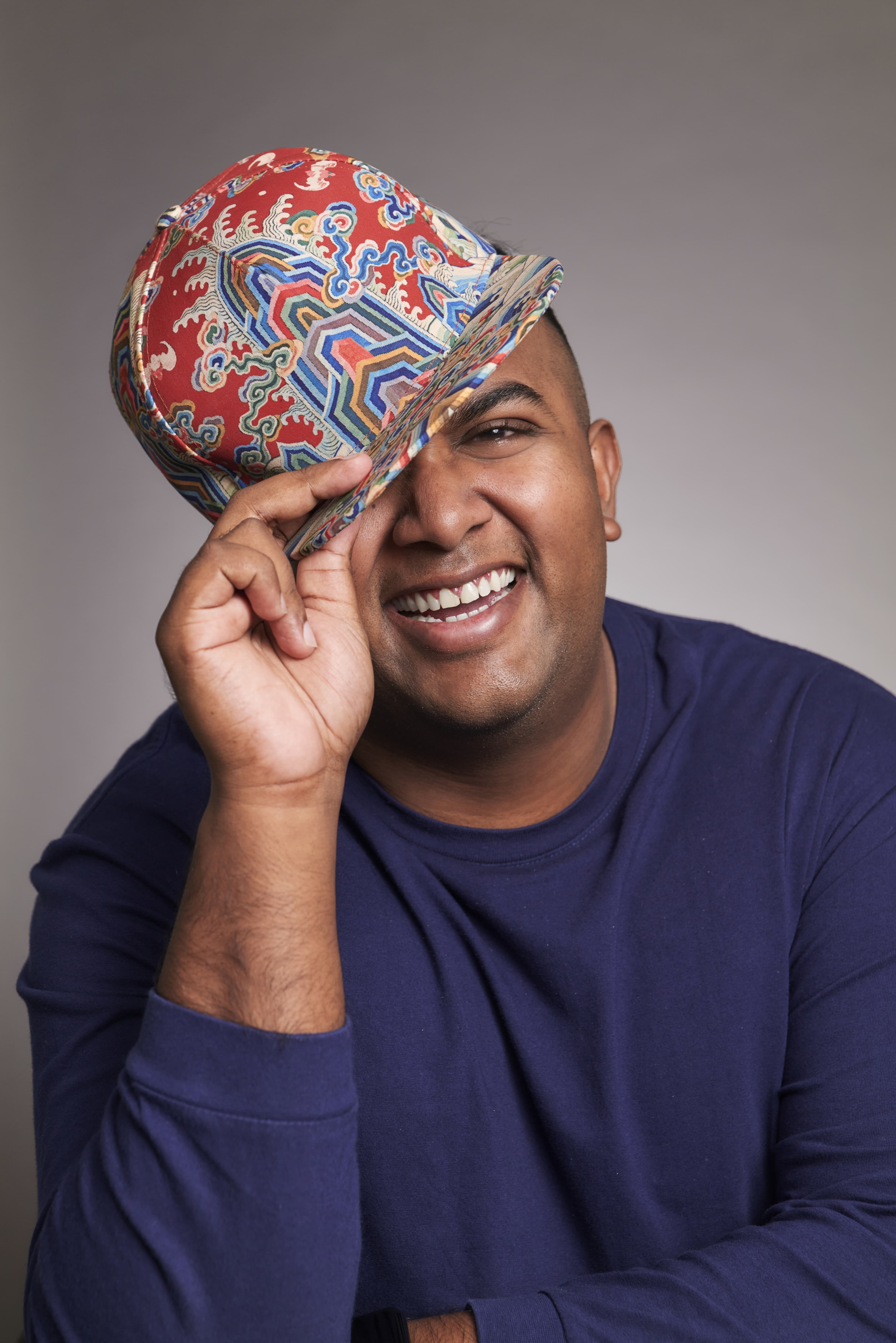
Brown Man Traveling
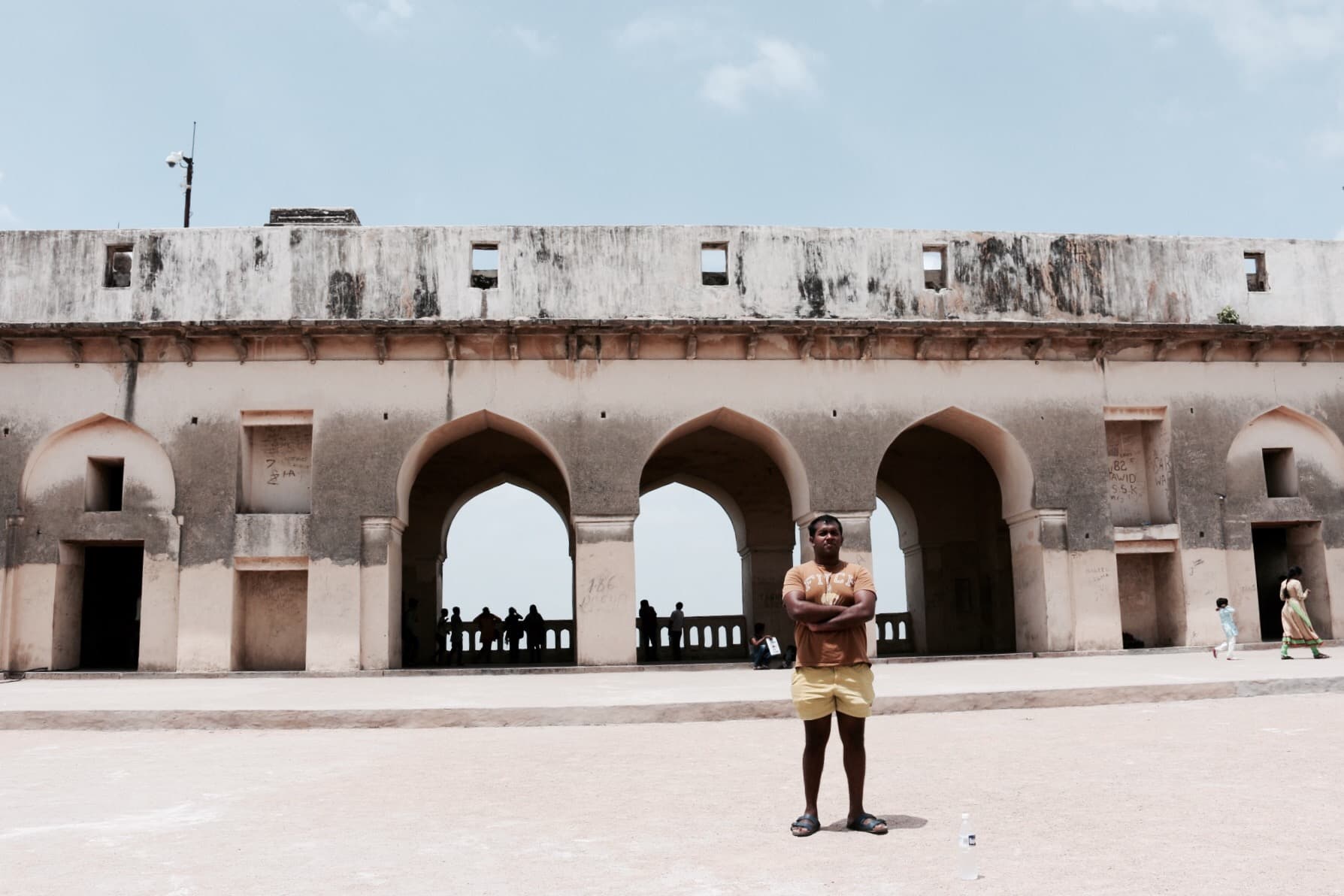
I’ll admit that the wanderlust movement got me young. All the influences of marketing and targeted advertising did its work to persuade me that traveling was going to be good for me. For the most part, they were right – traveling is an amazing and exhilarating experience, and you can’t really stop after a couple of cities. But what the ads never tell you is that the travel industry isn’t catered for everyone the same way. As a brown man traveling, I’ve encountered a number of incidents that have matured my understanding of the world and allowed me to recognize that the common refrain of “Traveling makes us realize we’re all the same” isn’t necessarily always true.
The first time I recognized I was in a different class of people was when I visited Ho Chi Min City, Vietnam. This was one of my first times traveling independently of my family and I was excited to have the freedom to do things I was normally restricted from. I was 20 years old and traveling with Damien, my best friend who also happened to be a Chinese Singaporean. It was an interesting experience because I noticed that while I was able to access most sites, the addition of our Caucasian friend, Bradley who we had met in our hostel, to our party suddenly made us a lot more attractive to shopowners and restaurant promoters. We were all of a sudden catcalled with ferocity, and Bradley was specifically called out many times. “This happens to me a lot in Asia,” he said. I was shocked, although in retrospect I honestly shouldn’t have been. There was something bittersweet about that experience because while I was happy that I didn’t have to endure the nagging calls of the multitude of promoters, I wondered what the implications of the climate were. I was provided less enthusiasm at some of the establishments I patronized and was only deemed worth the effort with Bradley around. Was my non-whiteness symbolic of my lower worth? Are white people getting more perks out of traveling? I was confused but decided to accept that multiple factors may be at play, including primarily Vietnam’s history with the US and the novelty of white visitors. The rest of the world couldn’t be similar to this, could it?
It could.
The privilege of whiteness is a well known sociological phenomenon that is easily extended to traveling, but there’s a difference between not being advantaged and being actively penalized for being brown-skinned. Yes, in South-East Asia and especially South Asia, being a brown-skinned traveler is a feasible and still enjoyable experience, but once you go to the rest of the world, that truth doesn’t hold any longer.
It occurred to me in Europe. I was in Berlin, there to learn German because I was passionate about the language and the culture. I was in a class with a bunch of young Europeans and I was probably one of few non-Europeans amongst the group. I was also definitely the darkest skinned individual in my group. My cohort was extremely nice to me and I’ve come to count them as some of my favorite people that I’ve had the fortune to meet, but even that couldn’t stop me from facing some pretty unfortunate events. The first occurred in a club where I was waiting in line to get in with some friends. I was with two white European female friends and was really looking forward to getting in. The bouncer was letting people in, briefly scanning them before inevitably permitting their entrance. Once it came to me, I still remember his hand raised to my face. “You can’t go in”, he said. “Don’t worry, he’s my friend”, one of the girls said. The bouncer then spoke in German, thinking I couldn’t understand, and asked if I was really with them or I had paid them. My friends were faithful and I was granted access. They laughed it off, but I remember feeling somewhat disgusted. I couldn’t tell if I was disgusted with the establishment, or perhaps even with myself for being brown.
That wasn’t the last time that my race discounted my ability to interact truly with the glamor of travel. Once a cab avoided me blatantly in the evening, a fact I could attribute to racism because my lighter skinned friend had no trouble hailing the same cab down the road from me. The look on the driver’s face when I later climbed into the cab with my friend was priceless. People would ask me if I was in the right place plenty of times as if I did not belong amongst the other tourists. It was true, I rarely saw darker skinned travelers in the hostels and places I visited. Africans, Indians, Middle Easterners – there are few of us that occupy the traveling scene as compared to the Caucasians and Chinese. Sometimes it’s a fun novelty, such as the time where I became a celebrity in Beijing when local Chinese folk who were also visiting from rural areas became amazed at the color of my skin. But many other times, it’s painful. It’s painful because you’re not sharing the exact same experience as people who are legitimately clueless about some of the difficulties you’re facing as a traveler.
I’m lucky to have never have had my race put me in danger, but I’ve heard horror stories of dark-skinned friends being turned away from guesthouses upon arrival, leaving them homeless for a night. To this day, I still struggle to get Couchsurfing requests accepted, especially when I travel by myself and regardless of me sharing my travel history and proof as a ‘legitimate traveler’. The same Couchsurfing host has plenty of females under his history of guests, and the occasional white male, but never a dark-skinned male. The community sometimes tries to defend itself by saying the host does have the choice and prerogative of who they host, but I do grieve when racism is a choice that is enabled.
So what do I about it and what’s my advice for other dark-skinned travelers? Besides getting involved in programs against oppression and talking about issues like these in your wider lives, there are things you can do on your travels. For one, if I do travel in groups, I’m conscious of the power of traveling with friends who are White or Chinese (mainly because in my Singaporean context, my Chinese friends help me navigate the Asian region). I’ll pause here and say that White people and Chinese people face their own versions of stereotyping. White people are targeted globally for their supposed wealth and are more likely targets of kidnapping or robbery, while the Chinese are treated monolithically as all bad tourists and in need of supervision. But altogether, none of them are seen as ‘dangerous’ or ‘suspicious’ the same way us darker-skinned travelers are seen. Thankfully, I have an abundance of amazing friends who I’d love to travel with regardless of the color of their skin, but I do breathe a sigh of relief when I know I have the comfort of them around to ease the burden of traveling.
Secondly, I double down on my appearance as a tourist. It’s ironic I know, many a time people seek not to stand out as tourists in countries, either out of self-respect or to avoid crime. But as a dark-skinned person, a tourist is a better persona compared to someone dangerous. I wear my camera around my neck and speak English with my Americanized accent. This changes the color people see from brown to green, the color of the cash I bring to their establishment. I’m no longer something to be cautious about, but rather a source of revenue. Europe, Latin America, the US, it didn’t matter – I was treated differently till I showed my cash. It’s unfortunate that I have to camouflage myself because I truly am proud to be Singaporean and even more unashamed of my skin color, but the extents to which I must mute parts of my identity so that I can travel safely and uninterrupted are considerable.
I still believe traveling is a life-changing experience for everyone, regardless of your backgrounds. I still believe you can learn so much about one another and that everyone has something to gain and give in travel communities globally. I’ve personally had a more positive than negative experience overall. But we can’t kid ourselves that traveling is an equally accessible experience for everyone. We know that one’s socio-economic class can easily determine their ability to even purchase a flight out of their country, but race plays a distinctive and dangerous role in their treatment once in a foreign country.
As I’ve continued to maintain, traveling exposes you to many beauties, but it also is sure to treat you to the world’s cruelties. If you haven’t seen the latter then I challenge you to travel more consciously and to consider your peers that you meet with along your way. If you’re a dark-skinned traveler and have had any experiences of discrimination, let me know. If you’ve come up with strategies to navigate discrimination, even better – I’d love to hear what you’ve done! Hopefully, as traveling continues to become more accessible to people of all races and ethnicities, we see a better treatment over time. That would be glorious.